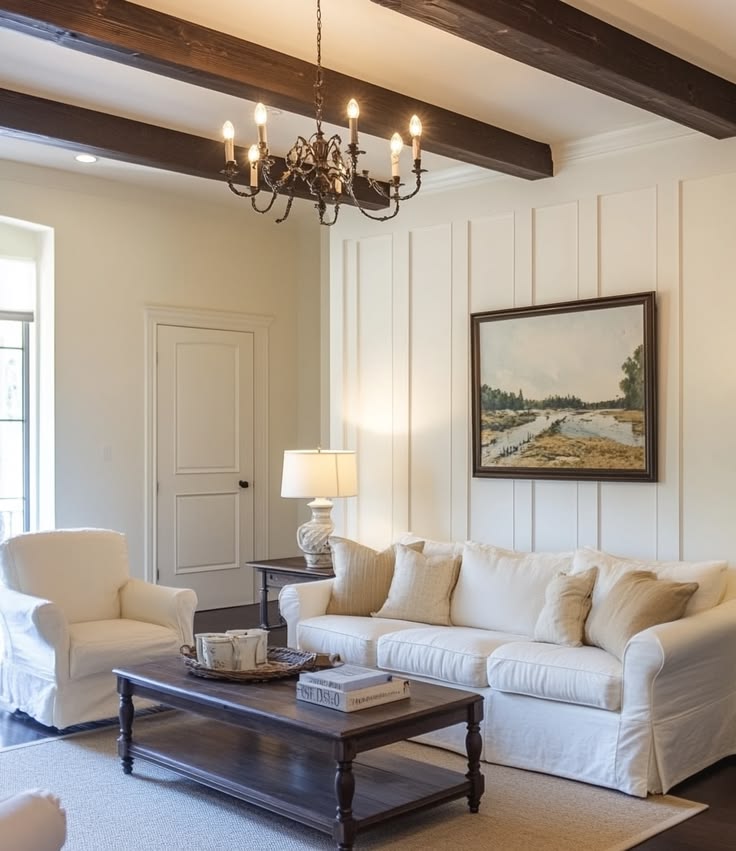
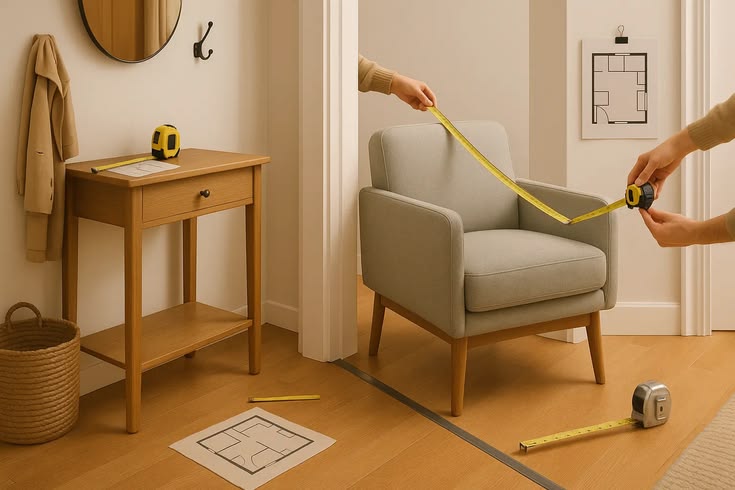
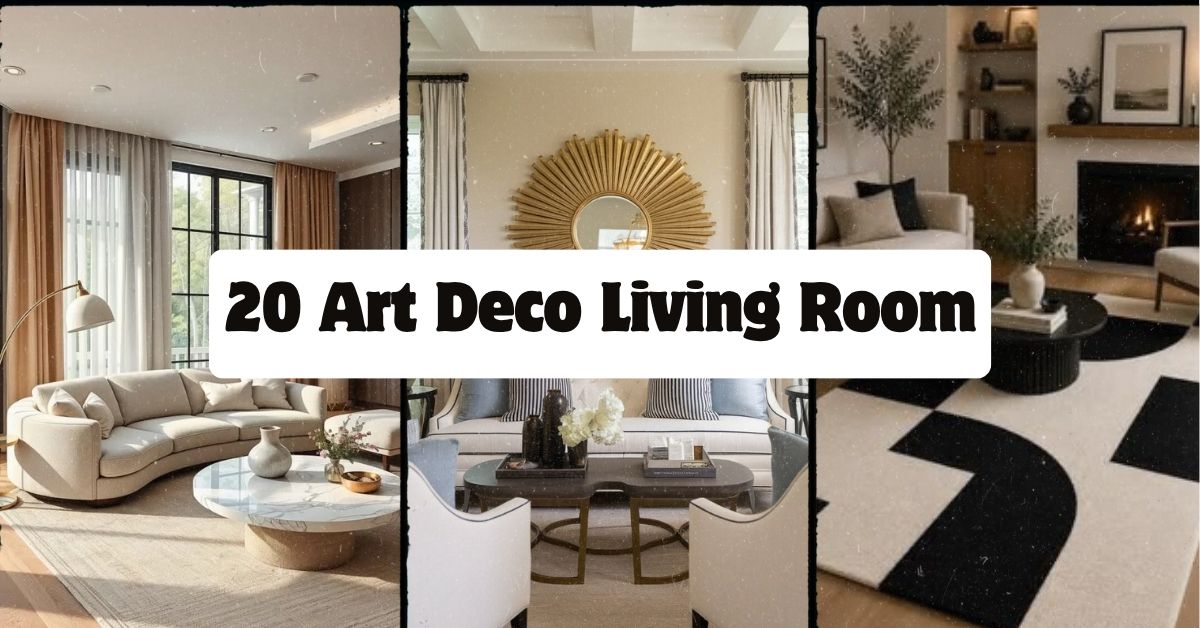
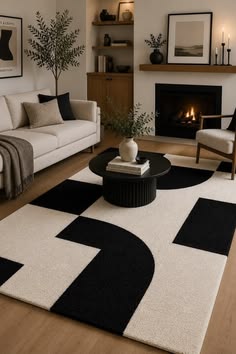
Blog

  • 18 Coastal Blue Bedroom Ideas

    18 Coastal Blue Bedroom ideas can help you create a calm, bright retreat without making the room feel cold or overly themed. I’ll walk you through color, furniture, lighting, textiles, and finishing touches so you can build a coastal bedroom that feels personal and practical.

    What are the best ways to design a coastal blue bedroom? Use layered blue and white tones, natural wood, woven textures, soft lighting, breathable fabrics, and simple ocean-inspired accents. Balance cool colors with warm materials so the room feels restful rather than stark.

    You’ll find ideas for large bedrooms, small spaces, rental rooms, and several decorating budgets. I’ll also point out the small details that make the biggest difference.

    Understanding the Coastal Blue Bedroom Style

    A coastal blue bedroom should feel relaxed, airy, and easy to live with. It is not the same as covering every surface with anchors, shells, or bright nautical stripes. Instead, I think of it as a calm mix of ocean colors, sun-washed materials, and comfortable layers.

    Blue is the starting point, but the supporting colors matter just as much. White, cream, sand, pale gray, and light wood help blue feel fresh. Woven baskets, linen bedding, rattan furniture, cotton curtains, and aged metal add texture without making the space busy.

    You can make this style modern, traditional, rustic, or softly bohemian. The key is balance. Choose one main blue, two or three supporting colors, and a few natural textures. That simple formula keeps the room peaceful.

    1. Paint the Walls a Soft Sea Blue

    Story pin image
    Credit: Deevaya

    A soft sea blue wall color gives the room an instant coastal feeling. Look for shades with muted gray or green undertones rather than very bright turquoise. These quieter colors are easier to live with and work well in changing daylight.

    I like using blue on all four walls when the shade is pale and dusty. In a small bedroom, this can create a cozy, wrapped-in feeling. If you prefer more contrast, paint only the wall behind the bed and keep the other walls warm white.

    Test paint samples in the morning and evening before buying a full gallon. Blue can look much stronger beside white trim. This idea works in modern homes with clean furniture, traditional rooms with molding, and cottage spaces with painted wood.

    Once the wall color is settled, the bed becomes the room’s visual anchor.

    2. Choose a White or Light Wood Bed Frame

    Story pin image
    Credit: Your House and Garden

    A white, natural wood, or light oak bed frame keeps the room open and bright. A simple spindle bed adds cottage charm, while a low platform frame feels more modern. For a relaxed coastal look, I usually avoid very dark or highly polished furniture.

    If the walls are blue, a light wood bed can add warmth and prevent the room from feeling flat. White furniture creates a crisp, breezy effect. For a stronger design, choose a woven rattan headboard that brings in texture without adding a heavy color.

    Measure the room before choosing a frame. Leave at least 24 inches of walking space on the main sides when possible. This approach adapts easily to coastal, farmhouse, Scandinavian, and traditional styles.

    With the largest piece chosen, you can build a bedding palette that feels layered instead of plain.

    3. Layer Bedding in Blue, White, and Sand

    Story pin image
    Credit: TIMAGLOW BEDDINGSHEETS

    Coastal bedding looks best when it has several gentle tones rather than one matching set. Start with white or ivory sheets. Add a pale blue duvet, a navy quilt, or a sandy beige coverlet. Finish with two or three pillows in different textures.

    I prefer one patterned layer and several solid layers. For example, use a thin blue stripe on the quilt, then add a cream linen pillow and a small faded coral cushion. This creates interest without turning the bed into a display.

    Choose cotton percale for a crisp feel or linen for a softer, rumpled look. Washable duvet covers are especially useful in guest rooms. This bedding plan suits classic coastal homes, modern apartments, and casual beach cottages.

    After the bedding is layered, a simple palette guide can help you keep every new purchase under control.

    Coastal Blue Color Palette Guide

    Palette nameMain blueSupporting colorsBest use
    Misty ShoreDusty blueWarm white, pale oak, sandSmall or north-facing bedrooms
    Deep HarborNavy blueIvory, camel, brassDramatic accent walls or furniture
    Sea GlassBlue-greenCream, light gray, natural rattanRelaxed cottage rooms
    Classic CoastMedium blueWhite, red coral, dark woodTraditional or nautical spaces
    Stormy BeachSlate blueGreige, charcoal, aged silverModern bedrooms with low contrast

    4. Add a Woven Rug for Warmth

    Story pin image
    Credit: Hetvs Home Decor 

    A woven rug softens hard floors and makes the bed feel more grounded. Jute, sisal, seagrass, cotton, and wool can all work in a coastal blue bedroom. Each material creates a slightly different mood.

    Jute and seagrass bring a sunny, beach-house look. Cotton is lighter and easier to wash. Wool feels softer underfoot and works well in cooler climates. If the room already has strong blue walls, choose a natural rug with a simple border.

    For a queen bed, an 8-by-10-foot rug usually gives enough coverage to extend beyond the bed and nightstands. A 6-by-9-foot rug can work in a smaller room if it sits under the lower two-thirds of the bed. This idea fits coastal, rustic, farmhouse, and modern interiors.

    Next, use window treatments to control both sunlight and the mood of the room.

    5. Hang Breezy Linen or Cotton Curtains

    Story pin image
    Credit: Digital marketing

    Light curtains make a bedroom feel airy while giving you useful privacy. White linen, cotton voile, pale blue chambray, and soft gray curtains all pair well with coastal colors. I like curtains that hang from near the ceiling to just above the floor because they make the room look taller.

    For better sleep, layer sheer curtains with blackout panels. Choose blackout fabric in white, oatmeal, or muted blue rather than a shiny synthetic finish. Hang the rod 6 to 10 inches wider than the window so the curtains do not block natural light when open.

    In a rental, use tension rods or removable hardware where allowed. Linen curtains suit relaxed coastal and farmhouse rooms, while smooth cotton panels work well in modern spaces.

    Once daylight is handled, add lighting that keeps the room cozy after sunset.

    6. Use Soft, Warm Lighting

    Story pin image
    Credit: Nestora Home

    A blue bedroom can look chilly under cool white bulbs. Use warm bulbs in the 2700K to 3000K range for a softer evening glow. Bedside lamps with ceramic, woven, or glass bases add function and style at the same time.

    I recommend three layers of light. Use an overhead fixture for general lighting, bedside lamps for reading, and a small accent light on a dresser or shelf. A rattan pendant can bring in coastal texture, while a simple white fabric shade keeps the room calm.

    Install dimmers if possible. They make a noticeable difference when you want the room to shift from morning brightness to nighttime calm. This lighting plan works with modern, traditional, coastal, and transitional furniture.

    With a warm glow in place, you can add natural surfaces without making the design feel overly beachy.

    7. Bring in Rattan, Cane, and Wicker

    Story pin image
    Credit: Margaret Ash Design

    Natural woven materials give a coastal bedroom its texture. Try a cane nightstand, rattan bench, wicker basket, woven pendant, or seagrass storage box. You only need a few pieces. Too many can make the room feel like a themed showroom.

    I like pairing one larger woven item with two smaller accents. For example, use a rattan headboard with a seagrass basket and a woven lamp shade. Keep the shapes simple so the texture feels intentional.

    Check that baskets have sturdy handles and that furniture is properly finished. Rough edges can catch bedding or scratch floors. These materials fit beach cottages, boho rooms, modern spaces, and warm minimalist homes.

    Now that texture is building up, a practical materials guide can help you choose pieces that will last.

    Material Comparison for Coastal Bedrooms

    MaterialStrengthsWatch-outsGood placement
    RattanLight, textured, visually warmCan snag if poorly finishedHeadboard, chair, pendant
    CaneAiry and refinedLess forgiving of heavy impactBed frame, cabinet doors
    JuteDurable and naturalCan feel rough under bare feetArea rug, basket
    LinenBreathable and relaxedWrinkles easilyCurtains, duvet, pillows
    Light oakWarm and durableCan darken slightly over timeBed, nightstand, dresser
    CottonSoft, washable, affordableMay wear faster than linenSheets, quilts, curtains

    8. Select Nightstands with Simple Storage

    Credit: Lost At E Minor 

    Nightstands should look light but still hold the things you use every day. Choose drawers for glasses, chargers, and books. Open shelves work well for baskets, but they need more tidying.

    A pale wood nightstand adds warmth beside blue bedding. A white painted table creates a cleaner look. For a more collected room, use two different nightstands that share a similar height and color family. Matching is not required.

    Aim for a nightstand that sits close to the top of your mattress. This makes lamps easy to reach and keeps the wall line balanced. This idea works in small apartments, traditional bedrooms, coastal cottages, and modern homes.

    With storage handled, artwork can bring personality without adding visual clutter.

    9. Hang Ocean-Inspired Art Without Making It Themed

    Story pin image
    Credit: Restfuldecor 

    Coastal artwork can be subtle. Consider a soft watercolor, an abstract blue canvas, a black-and-white beach photograph, or a framed map of a favorite shoreline. The goal is to suggest the coast, not repeat obvious symbols everywhere.

    Choose one large piece above the bed or create a small gallery wall with related colors. I like mixing one blue artwork with natural wood frames and one piece in white or brushed metal. Keep the subject matter varied but connected by tone.

    Before hanging anything above the bed, secure the frame with suitable wall hardware. For a rental, use lightweight prints and removable hanging strips. This approach adapts to modern, traditional, nautical, and eclectic bedrooms.

    The artwork sets the mood, and the next step is adding smaller objects with useful purpose.

    10. Style a Dresser with Useful Coastal Accents

    Credit: My Blissful Corner 

    A dresser top should not become a pile of random decorations. Start with one mirror or large artwork. Then add a lamp, a small tray, and one natural object such as a bowl, vase, or woven box.

    Blue glass, ceramic, driftwood, and pale stone can add coastal character. Avoid collecting shells in every container. One small shell-filled dish is enough if you love that look. I also like using a white ceramic vase with leafy branches because it adds height without strong color.

    Leave some empty surface visible. Negative space makes the room feel calmer and helps the useful pieces stand out. This arrangement suits clean modern bedrooms, cottage rooms, and traditional homes.

    Next, let the ceiling and floor contribute to the overall sense of airiness.

    11. Add a Light Ceiling and Pale Floor Tones

    Story pin image
    Credit: Luxury Home Dreams

    A warm white ceiling reflects light and keeps blue walls from feeling too heavy. If your ceiling already has a strong color, repainting it can make the entire room feel fresher. Use a flat ceiling paint to hide small imperfections.

    For floors, pale oak, whitewashed boards, light laminate, and neutral carpet all support a coastal palette. If replacing flooring is not practical, use a large natural rug to soften dark wood or tile.

    Do not choose a blue floor unless you want a bold, highly designed room. Blue is usually more successful on walls, bedding, or accent furniture. This light foundation works in coastal, Scandinavian, farmhouse, and transitional interiors.

    Once the larger surfaces feel balanced, you can choose accent colors with more confidence.

    12. Introduce One Warm Accent Color

    Credit: Too Much Time 

    Blue and white can look beautiful, but they may also feel cold if there is no warm contrast. Add one small accent color such as coral, terracotta, ochre, muted yellow, or sandy tan.

    You do not need much. A coral lumbar pillow, a terracotta vase, or a mustard throw can be enough. Repeat the accent two or three times so it looks planned. Keep the color soft and faded if you want a calm room.

    I suggest starting with removable items. Pillows and throws are easier to replace than painted furniture. Warm accents fit both traditional coastal rooms and more modern blue-and-neutral spaces.

    Use the following guide when deciding how much contrast your room can handle.

    Accent Color Planning Guide

    Accent colorAmount to useCoastal effectEasy item to try
    Coral5% of visible colorCheerful and classicPillow or artwork
    Terracotta5% to 10%Earthy and warmCeramic vase
    Mustard5%Sunny and playfulThrow blanket
    Camel10%Soft and groundedLeather bench
    Sage green5% to 10%Natural and quietPlant pot or cushion
    Charcoal5%Modern and crispLamp base or frame

    13. Create a Small Reading Corner

    Story pin image
    Credit: Adaliza

    If you have extra floor space, a reading corner gives the bedroom more purpose. Choose a compact chair in cream, beige, faded blue, or natural fabric. Add a small side table and a floor lamp with a warm bulb.

    A woven chair makes the coastal theme clear without being too obvious. An upholstered slipper chair feels more traditional. In a small room, use a narrow bench at the foot of the bed instead of a full chair.

    Keep the corner useful. Add a basket for blankets or a small shelf for books. Measure the chair swing and walking paths before buying anything. This idea can work in coastal, cottage, modern, and even industrial bedrooms when the colors stay soft.

    A useful corner deserves comfortable textiles, so the next detail is all about touch.

    14. Mix Linen, Cotton, and Knit Textures

    Story pin image
    Credit: TIMAGLOW 

    A bedroom feels finished when the fabrics do not all have the same surface. Combine crisp cotton sheets with a relaxed linen duvet, a chunky cotton throw, and a velvet or knit accent pillow.

    Texture is especially important when your color palette is simple. A blue linen pillow looks richer beside a white cotton one. A woven throw at the end of the bed adds warmth without introducing another strong shade.

    Wash fabric swatches or pillow covers before committing to a full set. Some linen blends soften after washing, while rougher fabrics may not suit your skin. These combinations fit casual coastal homes, modern bedrooms, and soft boho spaces.

    The more texture you add, the more important it becomes to keep patterns under control.

    15. Keep Patterns Simple and Widely Spaced

    Story pin image
    Credit: Your House and Garden

    Stripes, small checks, faded florals, and subtle wave patterns can all work in a blue bedroom. I recommend using one noticeable pattern and two quieter ones. For example, try a blue stripe duvet, a tiny dot pillow, and solid curtains.

    Avoid placing the same pattern on the bed, curtains, chair, and rug. Repetition can make the room look staged. Instead, repeat a color rather than an exact print.

    When shopping, lay fabric samples together in natural light. This quickly shows whether the blues clash. Simple patterns work across coastal, nautical, farmhouse, and traditional styles.

    After patterns are under control, plants can add life and soften the blue-and-white scheme.

    16. Add Easy-Care Greenery

    Credit: Learn California

    A plant brings a fresh, natural note to a coastal blue bedroom. Snake plants, pothos, spider plants, and peace lilies are common indoor choices, though the best plant depends on your light and care habits.

    Place one taller plant near a window or one smaller plant on a dresser. Use a white ceramic pot, woven basket planter, or pale terracotta container. Do not crowd the room with greenery if the space is small.

    Check the plant’s light needs before buying it. A beautiful plant will struggle in a dark corner. This idea suits tropical coastal, modern, cottage, and bohemian rooms.

    Here is a simple guide for placing common bedroom plants safely and successfully.

    Bedroom Plant Placement Guide

    Plant typeLight preferenceWatering patternGood location
    Snake plantLow to bright indirect lightLet soil dry between wateringDresser or corner
    PothosMedium to bright indirect lightWater when top inch is dryShelf or hanging pot
    Spider plantBright indirect lightKeep lightly moistWindow or nightstand
    Peace lilyMedium indirect lightWater when leaves droop slightlyShaded corner
    ZZ plantLow to bright indirect lightInfrequent wateringDarker corner

    17. Use Mirrors to Reflect Light

    Story pin image
    Credit: Coastal Amazon Finds

    A mirror can make a bedroom feel brighter and more spacious. Choose a simple white, pale wood, rattan, or aged metal frame. Round mirrors soften a room filled with straight furniture, while rectangular mirrors feel more structured.

    Hang a mirror where it can reflect a window or light-colored wall. Avoid placing it directly opposite a messy storage area. Above a dresser, leave enough space between the furniture and mirror so the arrangement does not feel cramped.

    For safety, use anchors rated for the mirror’s weight. In a rental, a lightweight acrylic mirror may be easier to install. This idea works in small modern bedrooms, traditional coastal homes, and relaxed cottage interiors.

    One final layer can make the room feel collected rather than newly assembled.

    18. Finish with Personal, Practical Details

    Story pin image
    Credit: DecorPicksHome

    The best coastal blue bedroom is not a showroom. It should show how you live. Add a favorite book, a framed travel photo, a handmade bowl, a family quilt, or a small object from a meaningful trip.

    Keep the personal items connected to the palette. A bright object can work if it is used once as a focal point. Otherwise, choose pieces in blue, cream, wood, brass, or muted earth tones.

    I also suggest adding practical comforts, such as a charging station, a laundry basket, a full-length mirror, or a storage bench. A beautiful room that is hard to use will not stay beautiful for long. This approach works with every style because personal details make the room yours.

    Tips for Success

    • Test blue paint in several areas of the room before choosing a final shade.
    • Repeat each main color at least twice so the palette feels connected.
    • Mix smooth and rough textures to keep a simple color scheme interesting.
    • Use warm light bulbs instead of cool white bulbs for a softer evening mood.
    • Measure rugs, beds, curtains, and walking paths before shopping.
    • Keep ocean-themed decorations limited to a few meaningful pieces.
    • Choose washable bedding and easy-care plants if the bedroom gets daily use.

    Common Mistakes and How to Avoid Them

    Using too much bright blue

    Choose a softer wall color or limit bright blue to pillows, artwork, or one accent chair. Balance it with cream, sand, and natural wood.

    Making every piece nautical

    Skip the repeated anchors, ropes, shells, and ship artwork. Use texture, color, and light to suggest the coast in a more lasting way.

    Choosing all-white furniture and bedding

    Add pale oak, rattan, tan, or warm metal so the room does not feel flat or overly sterile.

    Buying a rug that is too small

    Measure the bed and surrounding space first. A rug should usually extend beyond the sides of the bed or sit under its lower section.

    Ignoring artificial lighting

    Cool bulbs can make blue walls appear harsh. Use warm bulbs and add bedside or accent lighting for better balance.

    Cluttering the dresser and nightstands

    Keep only useful or meaningful objects on display. Use trays, baskets, and drawers to control small items.

    Similar Variations

    • Classic Nautical Blue: Uses navy, white, brass, and restrained stripe patterns for a crisp maritime look.
    • Coastal Cottage: Mixes faded blue paint, floral bedding, painted wood, and vintage accessories.
    • Modern Coastal: Combines soft blue, warm white, clean furniture, pale oak, and very little decoration.
    • Coastal Boho: Adds rattan, macramé, layered textiles, plants, and relaxed earth-tone accents.
    • Mediterranean Coastal: Pairs blue with sandy beige, terracotta, woven tile patterns, and aged wood.
    • Stormy Coastal: Uses slate blue, charcoal, gray, weathered wood, and soft cream for a moodier room.

    A successful coastal blue bedroom depends on balance more than decoration. Start with a calm blue foundation, then add warm wood, natural fibers, comfortable bedding, and lighting that feels soft at night. Keep the accents simple, useful, and connected to your own life.

    You do not need a complete makeover to get the look. Paint one wall, change the bedding, add a woven rug, or switch the lighting first, then build from there with these 18 Coastal Blue Bedroom ideas.
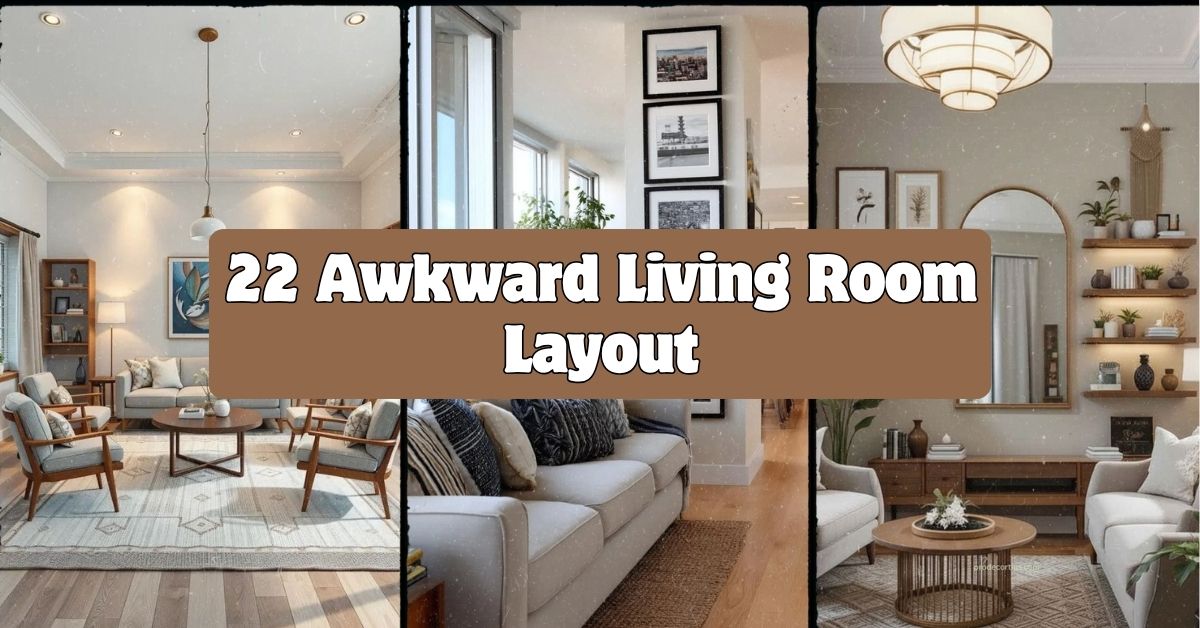
  • 22 Awkward Living Room Layout Ideas That Actually Work

    22 Awkward Living Room Layout Ideas That Actually Work

    If you’re stuck staring at a weird-shaped room wondering how anyone could ever make it look good, this guide on 22 awkward living room layout ideas is going to save you a ton of headache. I’ve dug through every trick that actually works for tricky spaces, not just the obvious stuff you already tried. By the end of this, you’ll have real answers instead of more confusion.

    An awkward living room layout is any room with an unusual shape, odd angles, too many doors, or weird focal points that make standard furniture arrangements fail. The fix involves zoning the space, choosing multi-functional furniture, and anchoring the room around a new focal point instead of fighting the room’s natural quirks.

    Stick around, because I’m about to show you 22 layout tricks that turn “why is this room shaped like that” into “wait, this actually looks amazing.”

    What Makes a Living Room Layout “Awkward” Anyway

    Here’s the thing nobody tells you: almost no living room is a perfect square. Most rooms have a door where you don’t want it, a window that eats up wall space, or a weird nook that just sits there doing nothing. Some rooms are long and skinny like a bowling lane. Others have five doorways fighting for attention. None of that means your room is broken. It just means the furniture store showroom layout won’t work for you. Once you stop trying to force your room into a “normal” shape and start working with what you’ve got, everything gets easier. That’s really what this whole list is about.

    1. Float Your Sofa Away From the Wall

    Credit: Inspiration For Home

    Pushing every piece of furniture against the wall feels safe, but it actually makes odd-shaped rooms feel bigger and emptier at the same time. Try floating your sofa in the middle of the room instead. This creates a defined seating zone even if the walls around it are irregular.

    A floating sofa works especially well in long rectangular rooms where you need to break up the space into two smaller zones. Add a slim console table behind the sofa to give it a “backed” feel without pushing it to the wall.

    Practical tip: leave at least 30 inches of walking space behind a floated sofa so it doesn’t feel like an obstacle course.

    This trick works in modern lofts, farmhouse living rooms, and even traditional homes with formal layouts. Once your seating area is anchored in the middle, the next step is figuring out what that seating area should face.

    2. Create a New Focal Point With a Gallery Wall

    Credit: Lovely Harbor

    Awkward rooms often lack a natural focal point. Maybe there’s no fireplace, or the TV wall is a weird half-wall that doesn’t feel complete. A gallery wall solves this by giving your eyes somewhere to land.

    Pick one wall, even a short or oddly shaped one, and cover it with framed art, mirrors, or photos in varying sizes. This pulls attention away from awkward angles nearby.

    Tip: use painter’s tape to map out your gallery layout on the floor before hammering a single nail.

    Coastal homes look great with weathered frames and beach photos. Traditional homes do well with ornate gold frames. Once your focal point is set, you can arrange furniture to face it, which solves half your layout problems instantly.

    3. Use Furniture to “Fake” a Missing Wall

    Story Pin image
    Credit: ProDecorTips

    Some living rooms open directly into dining rooms or kitchens with zero wall separation. That open flow sounds nice in theory, but it often leaves the living room feeling like it has no boundaries at all.

    A tall bookshelf or a sofa with a high back can act as a stand-in wall. Place it perpendicular to the open side of the room to create a visual boundary. This little trick tricks the brain into seeing two separate rooms instead of one confusing blob of space.

    Tip: choose open-back shelving instead of solid wood if you don’t want to block natural light between rooms.

    Modern homes love this with sleek metal shelving units. Farmhouse spaces do it with rustic wood dividers. Once you’ve got your “wall,” you can start layering rugs to define the space even further.

    4. Anchor Each Zone With a Rug

    Credit: Home Decor Bliss Blog

    If your living room has multiple functions, like a reading corner and a TV area, rugs are your best friend. A rug tells your brain “this is one zone” even without walls.

    Choose rugs that are large enough to fit your entire seating group. A rug that’s too small will make the zone feel disconnected, which is the opposite of what you want in an already tricky layout.

    Tip: rug size should let all four sofa legs sit on it, not just the front two.

    Rug Size Guide by Seating Area

    Seating Area SizeRecommended Rug SizeBest Placement
    Small (loveseat + 1 chair)5′ x 7′Front legs on rug
    Medium (sofa + 2 chairs)8′ x 10′All furniture legs on rug
    Large (sectional + chairs)9′ x 12′All furniture legs on rug
    Open concept combined zones10′ x 14′ or layered rugsOne rug per zone

    Coastal homes love jute or sisal rugs. Traditional homes go for Persian-style patterns. Once your zones are anchored with rugs, lighting becomes the next thing to fix.

    5. Layer Lighting to Fix Dark Corners

    Credit: Rachel

    Awkward layouts almost always create dead zones, corners that get zero natural light and feel forgotten. Instead of one overhead light trying to do everything, layer your lighting.

    Add a floor lamp in the dark corner, a table lamp near the seating area, and maybe a small accent light near your gallery wall. This spreads brightness evenly and makes odd corners feel intentional instead of neglected.

    Tip: use warm-toned bulbs (around 2700K) for a cozy living room feel instead of harsh white light.

    Modern spaces do well with sculptural floor lamps. Cottage-style rooms love a warm little lamp with a fabric shade. With your lighting sorted, let’s talk about furniture shapes that actually fit weird rooms.

    6. Choose Curved Furniture for Tight Corners

    Credit: Newton Carpes

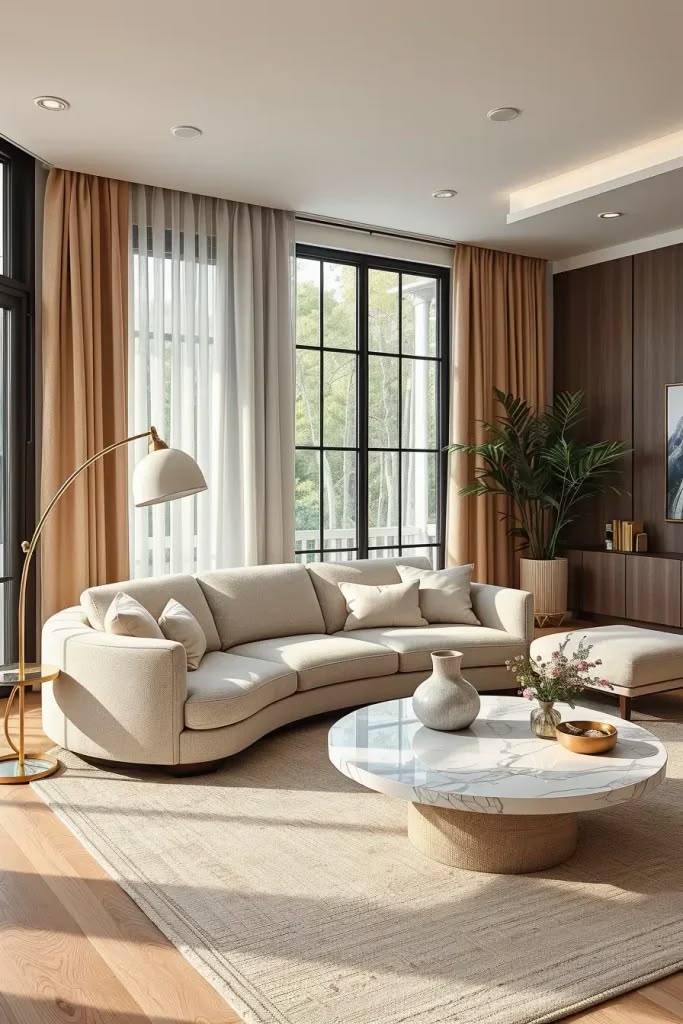
    Boxy furniture in a room full of angles just fights the space. Curved sofas, round ottomans, and rounded coffee tables soften things up and actually fit better in rooms with weird corners or diagonal walls.

    A curved sectional can wrap around a corner that a straight sofa would never fit into properly. Round coffee tables also reduce the “bumping into furniture” problem in tight walkways.

    Tip: measure your walkway space before buying. You want at least 18 inches of clearance around any curved piece.

    This works beautifully in modern and mid-century modern homes. Traditional homes can use curved wingback chairs for a similar softening effect. Once your furniture shapes are sorted, it’s time to think about scale.

    7. Scale Furniture to Match Ceiling Height

    Story Pin image
    Credit: LJW

    Low ceilings paired with tall furniture make a room feel cramped. Tall ceilings paired with tiny furniture make a room feel empty and cold. Matching furniture scale to your ceiling height is one of the most overlooked fixes for awkward rooms.

    If your ceilings are low, go for low-profile sofas and skip tall bookshelves. If your ceilings are high, add taller pieces like a floor-to-ceiling bookshelf or tall floor lamps to fill vertical space.

    Tip: measure your ceiling height and pick sofa backs that are no more than one-third of that height for balance.

    Furniture Scale by Ceiling Height

    Ceiling HeightSofa StyleBest Accessories
    Under 8 feetLow-back sofa, no tall shelvingWide, horizontal art
    8 to 9 feetStandard sofa heightMedium bookshelves
    9 to 10 feetStandard to tall sofaTall floor lamps
    Over 10 feetAny style worksFloor-to-ceiling shelving, drapery

    Farmhouse homes with low ceilings do great with low, wide furniture. Contemporary lofts with tall ceilings can go bold with oversized statement pieces. Now let’s tackle one of the trickiest awkward layouts: the long, narrow room.

    8. Split Long Narrow Rooms Into Two Zones

    Story Pin image
    Credit: HomeNest Decore

    Bowling-alley shaped rooms are one of the most common awkward layouts. The fix isn’t to line everything up along one wall. Instead, split the room into two distinct zones, like a seating area and a reading nook.

    Place your sofa perpendicular to the long wall instead of parallel to it. This breaks the “hallway” feeling and creates a cozier, more intentional seating zone.

    Tip: use a console table or bookshelf as a soft divider between the two zones.

    This works in almost every style. Coastal homes can do a reading nook by the window with a rattan chair. Modern homes can do a sleek desk zone at the far end. Next, let’s deal with rooms that have too many doorways.

    9. Work Around Multiple Doorways With Flexible Seating

    Story Pin image
    Credit: Insteadoffix

    Some awkward rooms have three or four doorways, which eats up wall space fast. Instead of fighting this, use flexible seating like modular sectionals or armless chairs that can be rearranged easily.

    Modular pieces let you adjust your layout depending on which walls are actually usable. This is way more practical than buying a giant fixed sofa that won’t fit once you account for doorway swing space.

    Tip: measure door swing radius before placing any furniture near a doorway, so nothing blocks the door from opening fully.

    Modern homes love modular sectionals for this exact reason. Traditional homes can use a pair of matching armchairs that can be moved as needed. Once your seating is flexible, let’s talk about what to do with awkward windows.

    10. Frame Awkward Windows Instead of Hiding Them

    Credit: Little Homegems

    Some living rooms have windows in strange spots, too high, too low, or oddly placed on a diagonal wall. Instead of hiding them with heavy drapes, frame them to make them look intentional.

    Use simple curtain rods that extend slightly beyond the window frame. This creates the illusion of a bigger, more balanced window even if the actual window is small or oddly placed.

    Tip: hang curtain rods 4 to 6 inches above the window frame for a taller, more elegant look.

    Coastal homes love sheer white curtains for this. Traditional homes can use structured drapery panels. With your windows framed nicely, let’s move to a big one: the fireplace that’s off-center.

    11. Balance an Off-Center Fireplace With Furniture Placement

    Story Pin image
    Credit: Interior Inspo

    An off-center fireplace throws off the whole room’s symmetry. Instead of trying to force symmetry, use furniture to create a new visual balance point.

    Place a large piece, like a bookshelf or a tall plant, on the opposite side of the room from the fireplace. This creates visual weight that balances out the room even though the fireplace itself isn’t centered.

    Tip: use a floor lamp instead of furniture if you’re short on space. Height alone can balance a room.

    Farmhouse living rooms do this well with a big wooden ladder shelf. Modern homes can use a sculptural floor lamp instead. Now let’s talk about a layout issue almost everyone forgets: traffic flow.

    12. Map Out Traffic Flow Before Placing Any Furniture

    Credit: Drill to Decor

    This one’s less about a specific piece of furniture and more about strategy. Awkward rooms usually have weird traffic patterns because of multiple doors, hallways, or open concept connections to other rooms.

    Before buying anything, walk through your room like you actually live there. Notice where you naturally walk to get from the door to the kitchen, or from the hallway to the couch. Keep those paths clear.

    Tip: leave at least 24 to 30 inches of walking space in every major pathway through the room.

    This applies to every single home style because traffic flow is about function, not aesthetics. Once your paths are clear, you can start adding vertical interest to fill awkward wall space.

    13. Fill Awkward Wall Space With Vertical Storage

    Story Pin image
    Credit: Nayab Home Aesthetics

    Rooms with odd wall lengths often leave you with a chunk of wall that’s too small for a big piece of furniture but too big to leave empty. Vertical storage, like a narrow bookshelf or ladder shelf, solves this perfectly.

    These pieces take up minimal floor space while still giving you storage and a place to add personality with books, plants, or decor.

    Tip: measure your awkward wall gap before shopping. Many stores sell narrow shelving units specifically for gaps between 12 and 24 inches wide.

    Boho homes love layering plants and baskets on these shelves. Modern homes keep it minimal with just a few sculptural objects. With your walls filled, let’s talk about one more sneaky awkward spot: the corner nobody uses.

    14. Turn Dead Corners Into Reading Nooks

    Credit: Cozy Wanders

    Every awkward room has that one corner nobody knows what to do with. Instead of leaving it empty, turn it into a tiny reading nook with a single chair, a small side table, and a floor lamp.

    This doesn’t need much space at all, just enough for one chair and a little breathing room around it. It instantly makes an awkward, wasted corner feel purposeful.

    Tip: a swivel chair works great in tight corners since it lets you turn to face different parts of the room.

    Cottage-style homes love this with a soft armchair and a knit blanket. Modern homes can do it with a sleek accent chair and a geometric side table. Now let’s cover color, because color choices can make or break an odd-shaped room.

    15. Use Color to Visually Reshape the Room

    Credit: WordPress

    Paint and color placement can literally change how a room feels. Painting a short wall a darker color can make it feel closer, which balances out a room that’s too long and narrow.

    Lighter colors on far walls push them back visually, making narrow rooms feel wider. This is one of the cheapest fixes on this entire list, and it works fast.

    Tip: test paint swatches at different times of day since lighting changes how color looks dramatically.

    Color Strategy by Room Shape

    Room ShapeWall to DarkenWall to LightenEffect
    Long and narrowShort end wallsLong side wallsRoom feels more square
    Too wideLong side wallsShort end wallsRoom feels cozier
    Low ceilingSkip dark ceiling colorCeiling in white or pale toneCeiling feels higher
    Awkward nookNook wall in accent colorMain walls neutralNook feels intentional

    Traditional homes love deep jewel tones for this trick. Modern homes stick to charcoal or navy accent walls. Once your colors are set, mirrors can push the effect even further.

    16. Add Mirrors to Bounce Light Into Tight Spots

    Credit: SaveNest Studio

    Mirrors aren’t just decor, they’re a functional fix for awkward rooms with poor natural light. A large mirror placed across from a window bounces light deeper into the room, brightening up dark corners instantly.

    This is especially useful in narrow rooms or rooms with only one small window. The mirror creates the illusion of another light source even when there isn’t one.

    Tip: hang mirrors at eye level, roughly 57 to 60 inches from the floor to the center of the mirror, for the most natural look.

    Coastal homes love round rattan-framed mirrors. Traditional homes go for ornate framed mirrors above a mantel. Next up, let’s talk about the ceiling, because awkward rooms often have sloped or uneven ceilings too.

    17. Work With Sloped Ceilings Instead of Against Them

    Story Pin image
    Credit: Lush Layers

    Attic conversions and older homes often have sloped ceilings that make furniture placement tricky. Instead of forcing furniture against the sloped wall, place low furniture like a daybed or low bookshelf in that zone.

    Taller furniture belongs in the part of the room with full ceiling height. This keeps you from constantly ducking or bumping your head near the slope.

    Tip: use the sloped area for storage or seating, never for tall furniture like bookshelves or wardrobes.

    Cottage and farmhouse homes make sloped ceilings feel cozy with exposed beams left visible. Modern homes keep it clean with built-in low storage. Now, let’s tackle one more common issue: rooms with too much open space and no cozy feel.

    18. Break Up Oversized Rooms With Furniture Clusters

    Credit: QUIET MINIMAL

    Sometimes the awkward problem isn’t too little space, it’s too much. Big, open rooms can feel cold and uninviting without clear zones. Break the space into smaller furniture clusters instead of one big spread-out arrangement.

    Create a conversation area with a sofa and two chairs facing each other, then a separate cluster for a reading chair and side table elsewhere in the room.

    Tip: keep each cluster within 8 to 10 feet across so conversations still feel intimate.

    Modern homes do this with sleek modular clusters. Traditional homes use matching furniture sets for each zone. With your clusters set, let’s finish with a trick for rooms with a weird focal wall.

    19. Use a Statement Ceiling When Walls Are Too Broken Up

    Credit: Soundproof Nation

    If your walls are chopped up by doors, windows, and odd angles, look up. A statement ceiling, whether it’s a bold paint color, wallpaper, or wood beams, gives your eyes a focal point that doesn’t depend on wall space at all.

    This works especially well in rooms where every wall has something interrupting it, leaving no clean spot for art or furniture arrangement.

    Tip: keep walls simple and neutral if you’re doing a statement ceiling, so the two don’t compete.

    Traditional homes love coffered ceilings. Boho homes go for patterned wallpaper overhead. Now let’s cover a layout trick specifically for open-concept awkward spaces.

    20. Use Furniture Height to Separate Open Concept Zones

    Story Pin image
    credit: Nora Interiors

    In open concept homes, the living room often bleeds into the kitchen or dining area with no clear boundary. Instead of a wall, use furniture height changes to signal a shift in zones.

    A low sofa back facing the kitchen, paired with a taller shelf or plant stand at the edge of the living space, creates a subtle boundary without blocking sightlines.

    Tip: keep the tallest pieces near the edges of the zone, not in the middle, so the space still feels open.

    Modern open-concept homes love this with glass or metal shelving. Farmhouse homes use a wood buffet table as the divider instead. Almost there, just two more tricks to cover.

    21. Add a Bench for Extra Flexible Seating

    Credit: Tribesigns

    Awkward rooms often have leftover space that’s too small for a chair but too big to waste. A slim bench solves this perfectly. It can slide under a window, sit at the end of a sofa, or tuck into a corner for extra seating when guests come over.

    Benches also double as a spot to set drinks or books when you’re not using them for seating.

    Tip: choose a bench with hidden storage if your awkward room also lacks closet space.

    Coastal homes love a woven bench under a window. Traditional homes use a tufted bench at the end of a sofa. Last one, and it’s a simple but often skipped step.

    22. Test Your Layout With Painter’s Tape Before Committing

    Credit: Furnt Furniture

    Before you buy a single piece of furniture, tape out the floor plan using painter’s tape. Mark where the sofa, chairs, and tables will go, then walk through the space for a day or two.

    This sounds simple, but it saves you from buying furniture that looks great on paper but feels completely wrong once it’s actually in the room.

    Tip: live with the taped-out layout for at least 24 hours before finalizing your furniture order.

    This trick works no matter what style you’re going for since it’s about testing function, not looks. Once you’ve taped it out and it feels right, you’re ready to commit to your new layout for good.

    Tips for Success

    • Always measure twice before buying furniture, awkward rooms have zero room for guessing wrong
    • Start with your biggest piece first, usually the sofa, then build around it
    • Keep at least one clear focal point per zone so the eye has somewhere to rest
    • Don’t be afraid to angle furniture diagonally in corner-heavy rooms
    • Use rugs and lighting to define zones instead of relying only on furniture placement
    • Walk the space at different times of day to check how light and shadows affect the room
    • Keep pathways clear first, then decorate around them, not the other way around

    Common Mistakes and How to Avoid Them

    Pushing all furniture against the walls
    : This leaves the center of the room feeling empty and disconnected. Float key pieces toward the middle instead.

    Ignoring traffic flow
    : Blocking natural walking paths makes even a beautiful room feel frustrating to live in. Map out your paths before placing anything.

    Buying furniture that’s too big or too small
    : Oversized furniture crowds tight rooms, while tiny furniture gets lost in big ones. Measure your ceiling height and floor space before shopping.

    Skipping rugs in multi-zone rooms
    : Without rugs, open floor plans feel like one confusing blob. Use rugs to visually separate each function of the room.

    Forcing symmetry in an asymmetrical room
    : Not every room can be perfectly balanced, and forcing it usually backfires. Use visual weight, like plants or lamps, to balance instead.

    Neglecting vertical space
    : Focusing only on floor space wastes valuable wall and ceiling area. Add shelving or a statement ceiling to use that space smartly.

    Similar Variations

    • Narrow Hallway Living Room – a long, skinny layout that needs zone splitting just like a bowling-alley shaped room
    • Open Concept Great Room – a combined living, dining, and kitchen space that needs furniture height and rugs to define zones
    • Sunken Living Room – a lowered floor section that needs its own furniture scale and lighting plan
    • Split-Level Living Room – a room connected to stairs or a half-level change that needs careful traffic flow planning
    • Attic Conversion Living Room – a sloped-ceiling space that needs low furniture near the slopes and taller pieces near full-height walls
    • L-Shaped Living Room – a room with an extra angled section that needs a secondary focal point to feel unified

    Awkward rooms aren’t a design failure, they’re just a puzzle waiting for the right pieces. Once you stop fighting the shape of your space and start working with it, using zones, scale, color, and smart furniture choices, even the weirdest room can feel warm and put together. That’s really the whole point behind these 22 awkward living room layout ideas: turning a tricky space into one you actually love spending time in.

  • 20 Art Deco Living Room Ideas That Bring Old Hollywood Glam Home

    20 Art Deco Living Room Ideas That Bring Old Hollywood Glam Home

    I’ve spent way too many hours scrolling through design boards trying to figure out what actually makes a room feel like Art Deco, and I’m going to save you that time. This article breaks down 20 Art Deco living room ideas that actually work in real homes, not just magazine spreads.

    Art Deco is a design style from the 1920s and 1930s known for bold geometric shapes, rich colors, metallic accents, and glossy surfaces. A true Art Deco living room combines symmetry, luxury materials, and dramatic contrast to create a glamorous, structured space.

    Stick around, because I’m about to show you exactly how to pull this look off without turning your living room into a movie set.

    What Makes a Living Room “Art Deco” Anyway?

    Okay, so before we jump into the ideas, let’s talk basics. Art Deco showed up right after World War I. People wanted glamour, luxury, and a break from plain, boring design. Think Great Gatsby vibes. Sharp lines. Sunburst patterns. Shiny metals like brass and chrome. Deep jewel tones like emerald and sapphire. It’s bold. It’s a little dramatic. And honestly, that’s what makes it fun.

    This style isn’t about clutter or too many patterns. It’s about clean, confident shapes paired with rich textures. Once you get the formula, it’s actually pretty simple to recreate in your own space.

    1. Start With a Bold Geometric Rug

    Credit: The Crafty Hacks

    Your rug sets the tone for the whole room. Art Deco rugs usually feature chevron patterns, sunbursts, or stacked geometric shapes. Go with a rug that has strong contrast, like black and gold or navy and cream.

    Place your rug so it extends slightly beyond your main seating area. This makes the room feel intentional instead of thrown together.

    Tip: Measure your seating group first, then buy a rug at least 6 inches wider on each side.

    This idea works in modern homes too. Just pick a simpler geometric pattern with fewer colors.

    Once your rug is down, you’ll want furniture that matches that same bold energy, which brings us to the next piece.

    2. Choose a Curved Velvet Sofa

    Credit: Newton Carpes

    Art Deco furniture loves curves paired with structure. A velvet sofa with rolled arms or a gentle curved back instantly gives that vintage glam feeling. Stick to deep colors like emerald green, mustard yellow, or burgundy.

    Velvet also adds texture, which is a big part of what makes Art Deco rooms feel rich instead of flat.

    Practical tip: If velvet feels too bold, start with velvet throw pillows on a neutral sofa instead.

    For traditional homes, a curved sofa blends in beautifully. For coastal spaces, skip the deep jewel tones and go with a soft sage velvet instead.

    Next, let’s talk about what goes above that sofa, because walls matter just as much as furniture here.

    3. Add a Statement Mirror With Sunburst Design

    Credit: Appliance Realm

    Sunburst mirrors are basically the emoji of Art Deco design. They’re everywhere in this style, and for good reason. They add shine, symmetry, and a focal point without taking up floor space.

    Hang one above your sofa or fireplace. Gold or brass frames work best because they catch light and add warmth.

    Tip: Center the mirror at eye level, about 6 to 8 inches above your sofa back.

    This idea works in almost any style, from farmhouse to mid-century, since sunburst mirrors have become a design classic on their own.

    Speaking of light, let’s move into lighting fixtures, because Art Deco lighting is honestly half the magic.

    4. Install a Geometric Chandelier

    Credit: OODIOO

    Lighting in Art Deco rooms isn’t just functional. It’s sculptural. Think chandeliers with stacked glass layers, geometric metal frames, or fan shapes.

    A chandelier like this becomes the crown jewel of your ceiling. Choose brass, chrome, or black metal finishes depending on your color scheme.

    Actionable tip: Hang your chandelier so the bottom sits about 30 inches above where your coffee table will go.

    Modern farmhouse rooms can still pull this off with a simpler black geometric fixture instead of a fully layered glass one.

    Now let’s talk color, because Art Deco has some very specific favorites.

    Art Deco Color Palette Guide

    Palette NameMain ColorsAccent ColorsBest For
    Classic GlamBlack, CreamGold, BrassFormal living rooms
    Jewel BoxEmerald, NavyGold, IvoryBold statement rooms
    Soft DecoBlush, CreamRose GoldSmall or bright spaces
    Moody DecoCharcoal, Deep PurpleSilver, ChromeEvening lounge feel

    5. Use Black and Gold as Your Anchor Colors

    Credit: TheCoolist

    If you only remember one thing about Art Deco color schemes, remember this combo. Black and gold create instant drama and elegance. Use black for larger elements like furniture frames or accent walls, and gold for smaller details like lamp bases, picture frames, or hardware.

    This pairing works because it’s high contrast without being loud.

    Tip: Keep a 70-20-10 ratio. Seventy percent neutral background, twenty percent black, ten percent gold accents.

    Traditional homes can lean heavier on gold. Minimalist modern spaces should use gold sparingly, almost like jewelry.

    Once your colors are locked in, it’s time to think about the shapes repeating throughout your room.

    6. Repeat Geometric Shapes Throughout the Room

    Story Pin image
    Credit: We Love Home Blog

    Art Deco is obsessed with pattern repetition. Circles, zigzags, and stepped shapes (like a staircase) show up again and again in this style.

    Try picking one shape, maybe a fan or chevron, and repeating it in your rug, throw pillows, and wall art. This creates visual rhythm without looking matchy-matchy.

    Practical tip: Choose one dominant shape and one secondary shape. Don’t use more than two or you’ll lose the clean look.

    This trick works in almost every design style. Coastal homes might use wave patterns instead of chevrons, same idea though.

    Speaking of wall art, let’s dig deeper into that next.

    7. Hang Vintage-Inspired Art Deco Posters

    Credit: Europosters

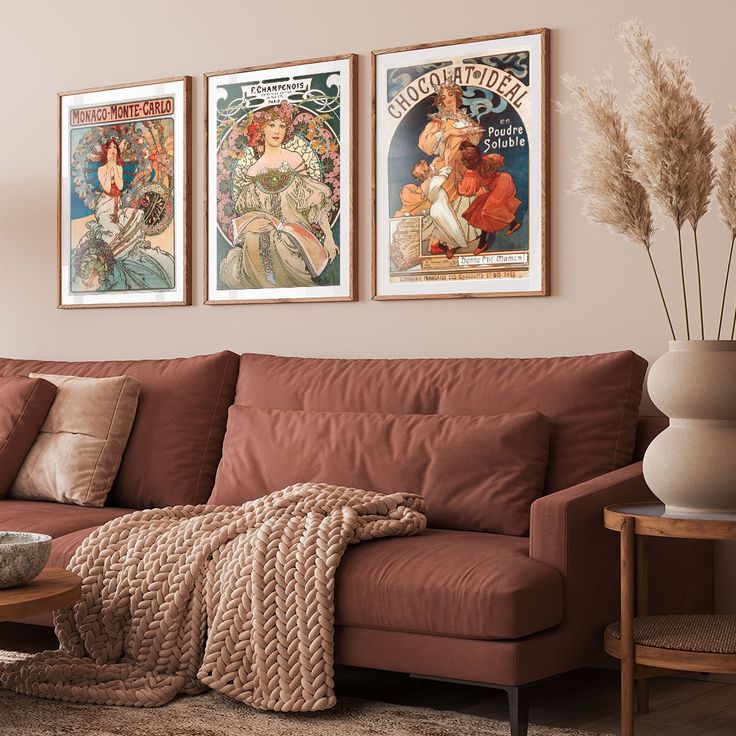
    Original Art Deco posters often featured travel scenes, glamorous figures, or bold typography. You can find affordable reprints online that capture this exact feel.

    Frame them in thin black or gold metal frames to keep the vintage authenticity.

    Tip: Group three posters in a row above your sofa for a gallery-style display.

    This idea adapts well to eclectic or vintage-inspired homes too, since travel posters have a timeless appeal beyond just Art Deco.

    Now let’s talk about something people forget, texture on the walls themselves.

    8. Add Textured Wall Paneling

    Credit: Owning the Look

    Wainscoting or fluted wall panels instantly give a room that old-world craftsmanship feel. Art Deco loved vertical lines and geometric paneling, especially in dining and living spaces.

    You can install real wood panels or use peel-and-stick versions for a budget-friendly option.

    Actionable tip: Paint your paneling a slightly darker shade than your wall color for subtle depth.

    Modern farmhouse and transitional homes use similar paneling too, just usually in simpler, less ornate patterns.

    With your walls sorted, let’s move to something smaller but just as impactful, your side tables.

    9. Choose Mirrored or Lacquered Side Tables

    Story Pin image
    Credit: ADD TO CART

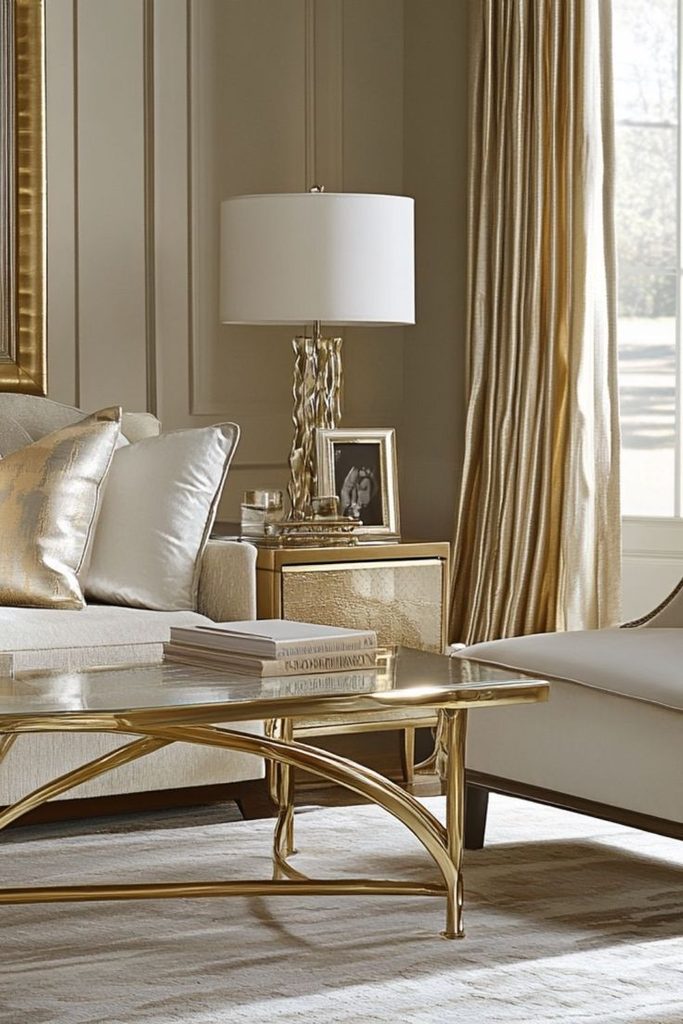
    Small furniture pieces matter a lot in Art Deco design. Mirrored side tables reflect light and add a touch of glamour without overwhelming the room.

    Lacquered wood in black or deep red is another great option if mirrors feel too flashy for your taste.

    Tip: Pair one mirrored table with one solid-colored table for balance instead of using two identical pieces.

    This works beautifully in glam or hollywood regency style homes, which honestly share a lot of DNA with Art Deco anyway.

    Next, let’s talk about something every living room needs but often gets overlooked, the coffee table.

    10. Pick a Coffee Table With a Bold Base

    Story Pin image
    Credit: Agc_canvas

    Your coffee table is a great place to show off Art Deco’s love of strong shapes. Look for tables with geometric metal bases, like criss-cross patterns or stepped pyramids.

    Glass tops work well because they let the base design shine through.

    Practical tip: Measure so your coffee table sits about 18 inches from your sofa for comfortable leg room.

    Modern minimalist homes can simplify this by choosing a single-shape base instead of a busy geometric one.

    Now let’s zoom out and talk about how to layer your accent pillows properly.

    11. Layer Pillows in Rich Jewel Tones

    Story Pin image
    Credit: Home Art Decore

    Pillows are the easiest and cheapest way to bring Art Deco color into your room. Stick to velvet or silk-look fabrics in emerald, sapphire, ruby, or amethyst.

    Mix solid colors with one or two patterned pillows featuring geometric designs.

    Tip: Use an odd number of pillows, usually 3 or 5, for a more curated look.

    This idea is basically universal. Every design style uses pillows to test out bold colors before committing to bigger pieces.

    Let’s move from soft textiles to something a little harder, metal accents.

    12. Incorporate Brass or Chrome Hardware

    Credit: Flavors Boost

    Small details like drawer pulls, lamp bases, and curtain rods matter more than people think. Brass gives a warmer, vintage feel. Chrome feels sleeker and more modern.

    Pick one metal finish and stick with it throughout the room for consistency.

    Actionable tip: If your budget is tight, start with lamp bases since they’re the cheapest way to test a metal finish.

    This idea translates across nearly every design style, since metallic hardware has become a staple everywhere from farmhouse to industrial.

    Now that we’ve covered small details, let’s talk about a bigger design choice, your window treatments.

    Budget Guide for Art Deco Living Room Updates

    Budget LevelWhat You Can DoEstimated Cost
    Low ($50-150)Pillows, mirror, lamp swap$50-150
    Medium ($150-600)Rug, wall art, side table$150-600
    High ($600-2000)Sofa, chandelier, paneling$600-2000+

    13. Use Heavy Drapes With Geometric Trim

    Credit: RectifyHome

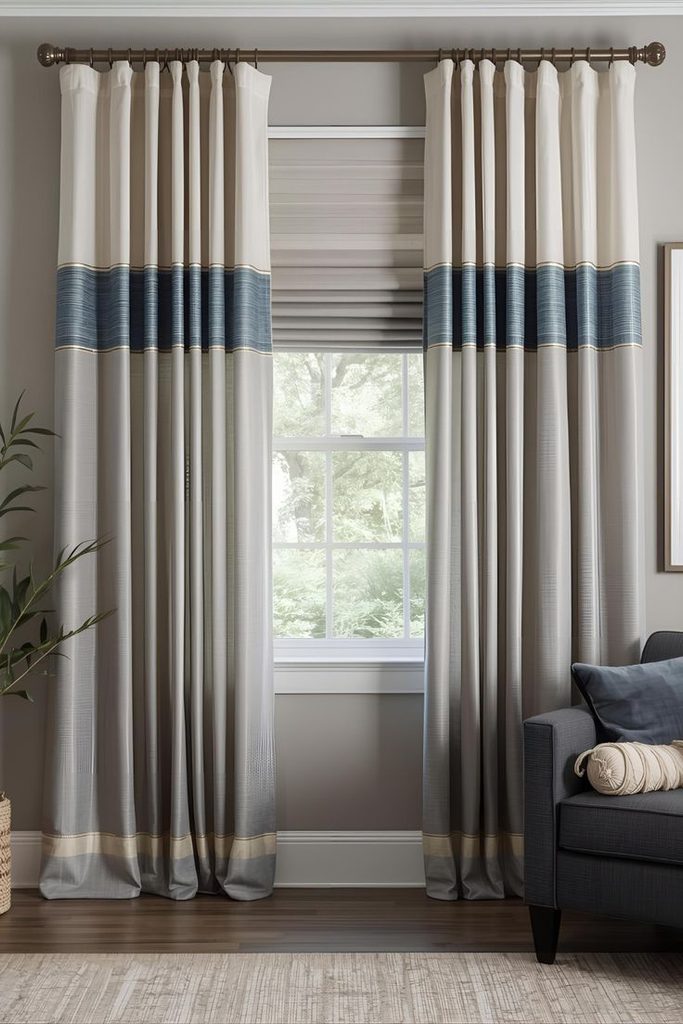
    Curtains in Art Deco rooms tend to be full-length and made from heavier fabrics like velvet or satin. Adding geometric trim along the edges gives that extra vintage touch.

    Deep colors like navy or emerald work great here, especially against lighter walls.

    Tip: Hang curtain rods about 4 inches above your window frame to make ceilings feel taller.

    Coastal homes can adapt this by using lighter linen fabric with subtle geometric trim instead of heavy velvet.

    Speaking of height, let’s talk about how flooring plays into this whole look.

    14. Install or Highlight Herringbone Flooring

    Credit: Direct Wood Flooring

    Herringbone wood flooring is a classic Art Deco detail. The zigzag pattern adds movement and sophistication without adding any color at all.

    If replacing your floor isn’t in the budget, a herringbone-patterned rug gives a similar effect for way less money.

    Practical tip: Lay herringbone patterns diagonally across the room to make small spaces feel larger.

    This idea works especially well in traditional and transitional homes that already lean toward classic wood flooring.

    Now let’s shift to something people always ask about, how to handle the fireplace area.

    15. Frame Your Fireplace With Marble or Faux Marble

    Story Pin image
    Credit: Betonry

    Fireplaces were a big deal in Art Deco design. Marble surrounds, especially in black or green veined stone, add serious drama.

    If real marble isn’t in your budget, marble-look tile or peel-and-stick panels can fake the look convincingly.

    Tip: Add brass trim along the edge of your fireplace surround for extra polish.

    This works in traditional homes easily, and even modern homes can pull it off with a simpler, cleaner marble slab design.

    Now let’s talk about something smaller but still important, your bar cart setup.

    16. Set Up a Vintage-Style Bar Cart

    Story Pin image
    Credit: The Olive Branch Nest

    Art Deco rooms often included a bar cart as both function and decoration. Choose a cart with a metal frame, mirrored shelf, or geometric detailing.

    Style it with a few glass decanters and simple glassware for that classic look.

    Actionable tip: Keep only 4 to 6 items on your cart so it doesn’t look cluttered.

    This idea works great in eclectic and mid-century modern homes too, since bar carts have stayed popular way beyond the Art Deco era.

    Let’s move from furniture back to the walls again, this time talking about accent walls.

    17. Paint One Wall in a Deep, Moody Color

    Credit: Inspiration

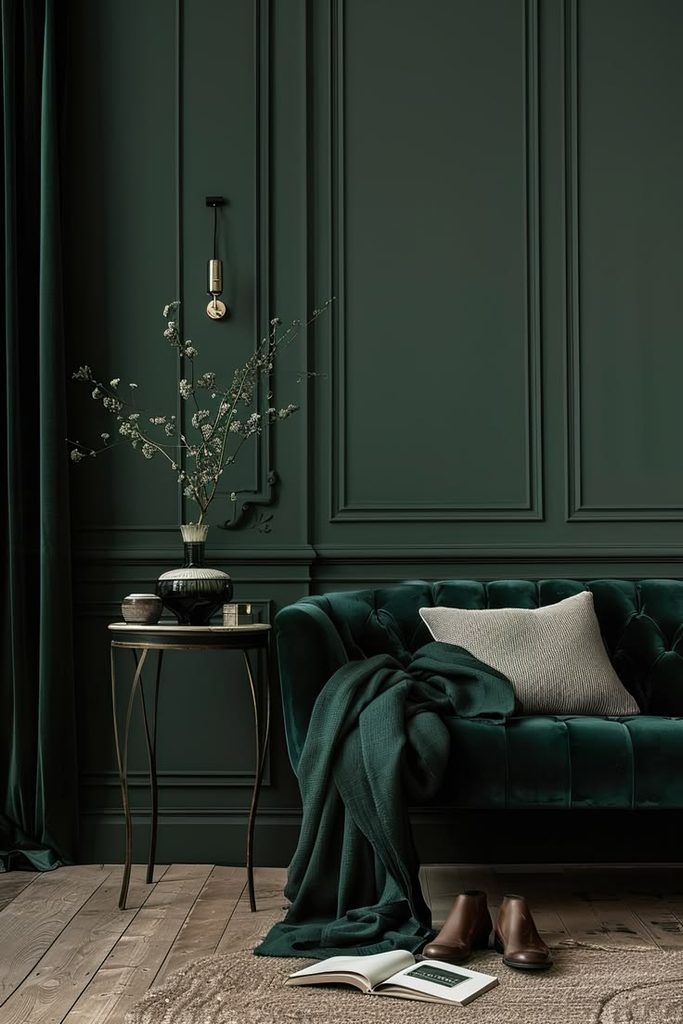
    An accent wall in a color like deep emerald, navy, or even black creates instant depth. This works especially well behind your sofa or television area.

    Pair the dark wall with gold-framed art or brass sconces to keep the room from feeling too heavy.

    Tip: Test your paint color in both daytime and evening light before committing.

    Modern homes can do this with matte black paint, while traditional homes might prefer a deep hunter green instead.

    Now let’s talk about a detail that ties the whole room together, your ceiling.

    18. Add a Decorative Ceiling Medallion

    Story Pin image
    Credit: Beige Ambiance

    Ceiling medallions might seem old-fashioned, but they add serious character to Art Deco rooms. Install one around your chandelier or main light fixture for extra elegance.

    Paint it to match your ceiling or highlight it in gold for more drama.

    Practical tip: Choose a medallion size that’s roughly one-third the width of your ceiling fixture’s canopy.

    This detail works beautifully in traditional homes and can even work in transitional spaces if kept simple and understated.

    Now let’s talk about something practical, storage furniture that still looks glamorous.

    19. Choose a Lacquered or Mirrored Console Cabinet

    Credit: Kattrianna Kaattrianna

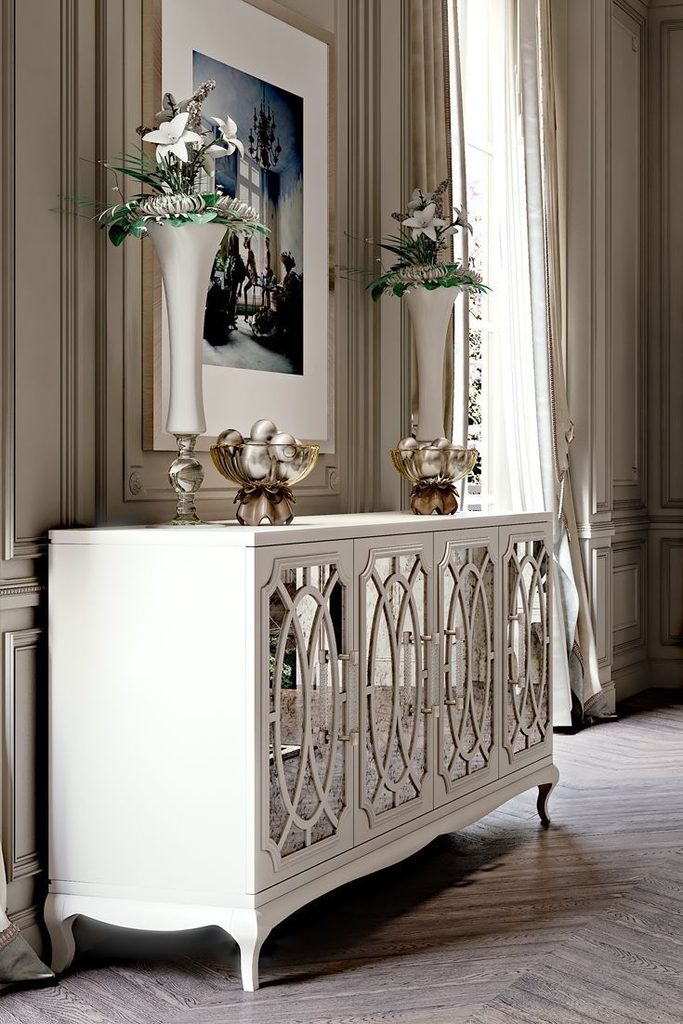
    Storage doesn’t have to be boring. A console cabinet with lacquer finish or mirrored doors gives you function and glam at the same time.

    Use it to store books, media equipment, or extra blankets while keeping the room looking polished.

    Tip: Place a small lamp and one decorative object on top, not more, to keep it looking curated.

    Hollywood regency and glam farmhouse styles borrow this idea often, since mirrored furniture photographs beautifully in any lighting.

    Finally, let’s finish with one last detail that pulls everything together.

    20. Add Metallic Planters With Structured Greenery

    credit: Myntra

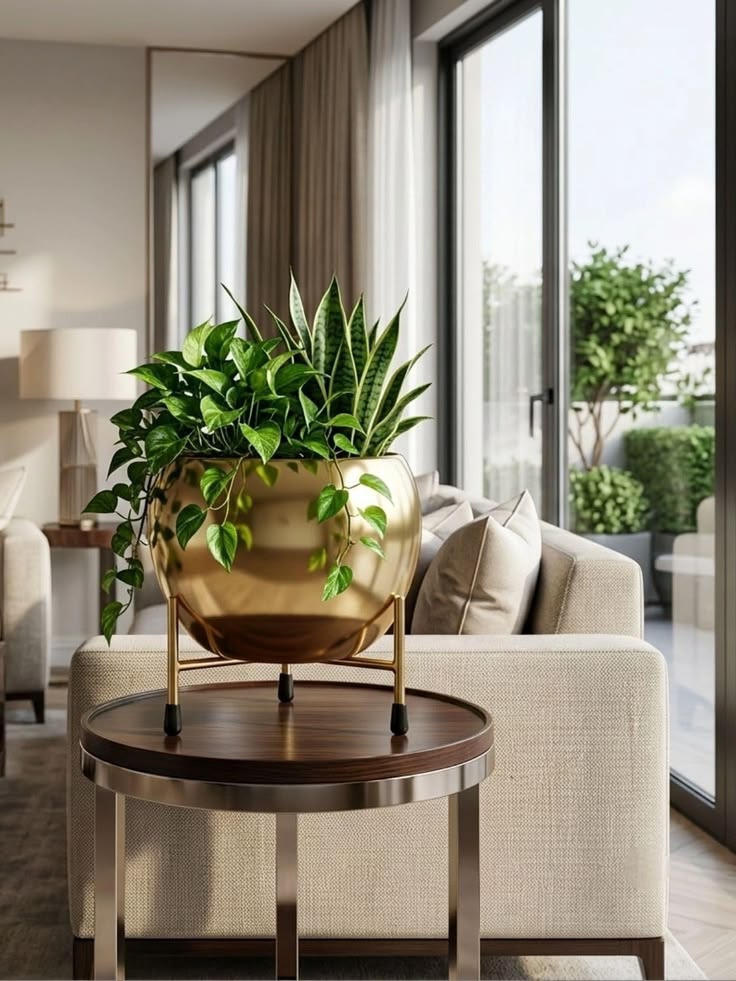
    Plants soften a room, but Art Deco style prefers structured greenery over wild, bushy plants. Think snake plants, ZZ plants, or fiddle leaf figs in sleek metallic planters.

    The clean lines of these plants match the geometric feel of the whole room.

    Actionable tip: Choose planters in gold or black to match your existing metal accents.

    This idea works in literally every design style, since structured plants have become a staple in modern interior design overall.

    Tips for Success

    • Pick one dominant color and one metallic finish before buying anything else.
    • Don’t overcrowd the room. Art Deco relies on clean space around bold pieces.
    • Mix textures like velvet, marble, and glass for depth without adding more colors.
    • Buy statement pieces first, like your sofa or chandelier, then build around them.
    • Use symmetry when arranging furniture and decor for a more polished feel.
    • Test paint colors and fabric swatches in your actual lighting before committing.
    • Shop vintage or thrift stores for authentic pieces at a fraction of retail cost.

    Common Mistakes and How to Avoid Them

    Mixing too many metals
    : Stick to one primary metal finish, like brass or chrome, throughout the room to keep things cohesive.

    Choosing pastel colors instead of jewel tones
    : Art Deco relies on rich, saturated colors. Swap soft pastels for deep emerald, sapphire, or burgundy.

    Overloading the room with patterns
    : Limit yourself to two main geometric patterns max, like chevron and sunburst, to avoid visual chaos.

    Skipping lighting as a design element
    : Treat your chandelier or lamps as decor, not just function. Choose fixtures with sculptural shapes.

    Using cheap, flat fabrics
    : Invest in textured fabrics like velvet or silk-look material, since texture is a huge part of the Art Deco feel.

    Ignoring symmetry
    : Arrange furniture and decor in balanced pairs where possible, since symmetry is a core part of this style’s structure.

    Similar Variations

    • Hollywood Regency: A glammed-up cousin of Art Deco with more mirrored surfaces and softer curves.
    • Mid-Century Modern: Shares clean lines with Art Deco but uses more wood tones and less ornamentation.
    • Gatsby Glam: A dramatic, party-ready take on Art Deco with heavier gold accents and richer fabrics.
    • Modern Deco: A stripped-down version of Art Deco using simpler shapes and a more neutral color palette.
    • Parisian Deco: Focuses on soft creams, blush tones, and delicate metallic details for a lighter feel.
    • Industrial Deco: Combines raw materials like exposed metal and concrete with classic Deco geometric shapes.

    Pulling off this look really comes down to picking bold shapes, rich colors, and shiny metal accents, then giving them room to breathe. You don’t need every single idea on this list to get the vibe right. Even five or six of these changes can transform a plain living room into something that feels straight out of a glamorous old film. That’s really the heart of these 20 Art Deco Living Room ideas, taking a style from the past and making it work in your home today.

  • 16 Coastal Farmhouse Living Room Ideas That Actually Feel Livable

    16 Coastal Farmhouse Living Room Ideas That Actually Feel Livable

    If you’ve been scrolling for hours trying to figure out how to pull off a 16 Coastal Farmhouse Living Room without it looking like a beach shop threw up on your walls, I get it. I’ve been down that rabbit hole myself, and I’m going to save you the trouble by laying out exactly what works.

    A coastal farmhouse living room blends relaxed seaside colors and textures with the sturdy, practical furniture style of farmhouse design. The result is a room that feels breezy, warm, and lived-in rather than staged or themed.

    Stick around, because I’m about to walk you through 16 real ideas, plus some mistakes I’ve made so you don’t have to repeat them.

    What Even Is Coastal Farmhouse Style, Anyway?

    So here’s the thing. Coastal farmhouse isn’t just “beach decor” and it isn’t just “farmhouse” either. It’s what happens when those two styles fall in love. You get the whitewashed wood and shiplap from farmhouse. You get the blues, sandy neutrals, and natural textures from coastal. Mash them together and you get a living room that feels like a cozy cottage near the water, even if you live three hours from the nearest coastline.

    I like this style because it doesn’t take itself too seriously. It’s comfortable. It’s a little worn-in on purpose. And honestly, it works in almost any climate or region, which is probably why it’s stayed popular for so long.

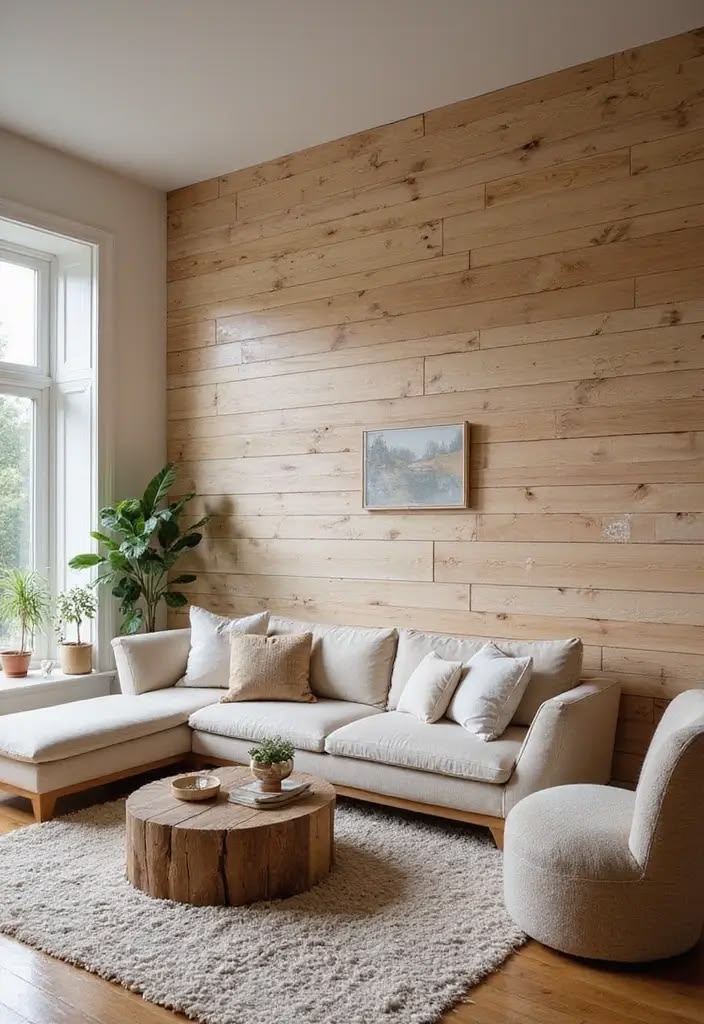
    1. Start With a Whitewashed or Weathered Wood Feature Wall

    Credit: Nami Decor

    Nothing says coastal farmhouse faster than a wall of light, weathered wood. Shiplap is the obvious choice, but reclaimed barn wood or whitewashed planks work just as well. This kind of wall becomes the backdrop for everything else in the room, so keep it light and slightly imperfect looking.

    Practical tip: if real wood planks feel like too much of a project, look for peel-and-stick shiplap panels. They cut installation time down to an afternoon.

    This idea flexes well too. Traditional homes can go with a fuller shiplap wall, while modern coastal spaces might do just one accent panel behind the TV.

    Once your wall is set, it’s time to think about what sits in front of it.

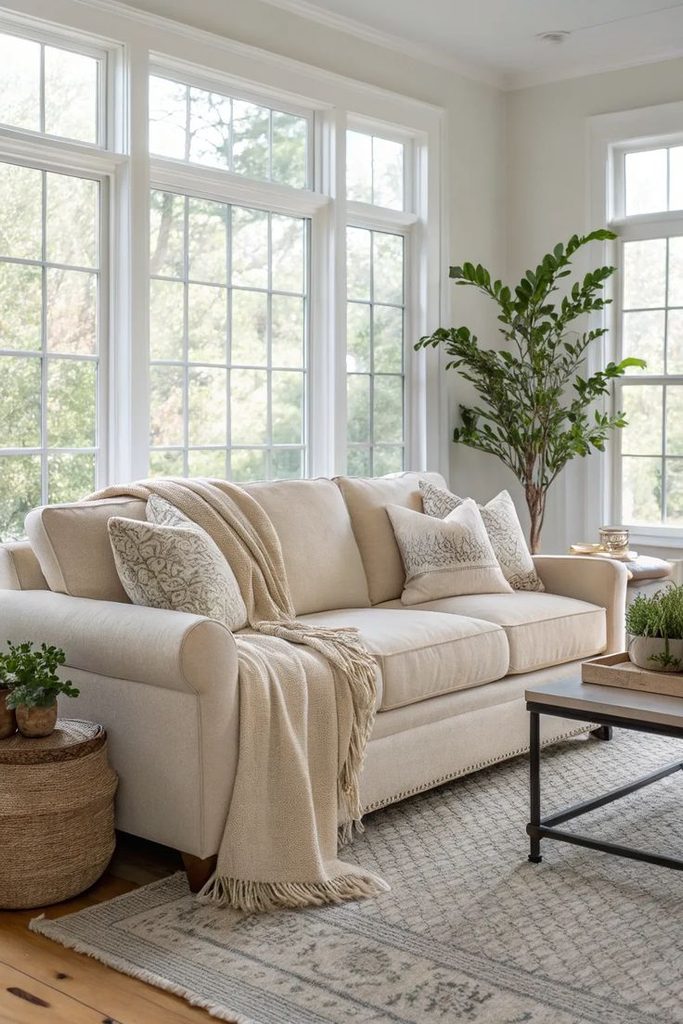
    2. Choose a Slipcovered Sofa in a Soft Neutral

    Credit: Casolia

    A slipcovered sofa is basically the mascot of farmhouse style. It looks casual, it’s washable, and it softens up a room instantly. Stick with cream, oatmeal, or light gray for that coastal farmhouse feel.

    The slouchy, lived-in look is part of the charm here, not a flaw. Look for linen-blend fabric since it holds up well and doesn’t feel stiff.

    Actionable tip: buy a slipcover one size up from your sofa’s actual dimensions. It drapes better and gives that relaxed, oversized look designers love.

    Modern homes can swap this for a low-profile sectional in the same neutral tone, while more traditional spaces might add rolled arms for a classic touch.

    Once your seating is settled, you’ll want to bring in some color without going overboard.

    3. Layer in Ocean-Inspired Blues as Accents, Not the Main Color

    Story Pin image
    credit: Salt & Sage Living Co

    Here’s a mistake I see a lot: people paint the whole room blue and call it coastal. Don’t do that. Instead, use blue as an accent through pillows, throws, or a single statement chair.

    Soft, faded blues work better here than bright, saturated ones. Think sea glass, not swimming pool.

    Practical tip: pick two shades of blue max and repeat them in at least three spots around the room (pillow, rug, art) so it feels intentional instead of random.

    This works in almost any home style. Even a modern farmhouse room can handle a muted navy accent without looking too coastal-specific.

    Speaking of rugs, let’s talk about what goes under your feet.

    4. Add a Jute or Sisal Rug for Texture

    Story Pin image
    Credit: Your House and Garden

    Natural fiber rugs are a coastal farmhouse essential. Jute and sisal both bring texture without adding more color to compete with your furniture. They also handle foot traffic well, which matters if you’ve got kids or pets.

    I’d recommend layering a smaller vintage-style rug on top if you want a softer spot for bare feet, especially in colder months.

    Actionable tip: go one size up from what you think you need. A too-small rug is one of the most common living room mistakes, and it makes the whole space feel disjointed.

    Traditional coastal homes might pair this with a rope-trim rug, while modern spaces often keep it flat-woven and simple.

    Now let’s get into some color choices, because that’s where a lot of the room’s personality comes from.

    Coastal Farmhouse Color Palette Guide

    Palette NameWall ColorAccent ColorsBest For
    Sandy ShoreWarm whiteTan, driftwood brownSmall or dark rooms
    Sea GlassSoft gray-blueSeafoam, creamRooms with lots of natural light
    Weathered DockGreigeNavy, oatmealOpen concept living areas
    Morning TidePale blue-whiteSlate blue, whiteNorth-facing rooms
    Driftwood NeutralOff-whiteGray, muted beigeRooms with wood-heavy furniture

    5. Bring in Woven Baskets for Storage and Texture

    Story Pin image
    Credit: Nephis

    Baskets aren’t just storage. In a coastal farmhouse room, they’re decoration too. Use them for blankets, magazines, or toys, and stack a couple in a corner for that relaxed, collected-over-time look.

    Seagrass and rattan baskets fit the theme best. They add texture without adding visual clutter, which is a nice trick when you’re trying to keep a room feeling calm.

    Practical tip: buy baskets in two or three different sizes and nest them together near the sofa. It looks more curated than one basket sitting alone.

    This idea works everywhere honestly. Even minimalist homes can use one woven basket as a texture break from all the hard surfaces.

    Now that storage is handled, let’s talk about lighting, because it changes everything.

    6. Hang a Rope or Rattan Pendant Light

    Credit: Rowabi

    Swapping out a builder-grade light fixture for something woven instantly upgrades the coastal farmhouse vibe. Rope-wrapped pendants, rattan drum shades, or woven capiz shell fixtures all work great here.

    These fixtures cast a warm, soft glow too, which helps the whole room feel cozier at night.

    Actionable tip: measure your ceiling height first. A pendant that’s too small will look lost in a room with high ceilings, so size up if needed.

    Traditional homes can go with a more ornate woven chandelier, while modern coastal spaces tend to prefer a single, simple rattan pendant.

    Lighting sets the mood, but furniture placement sets the function, so let’s move there next.

    7. Arrange Furniture Around a Natural Focal Point

    Story Pin image
    Credit: Winterberryandthyme

    Coastal farmhouse rooms feel best when they’re built around something real, like a fireplace, a big window, or even a media wall with wood accents. Avoid pushing all your furniture against the walls. Instead, pull it in slightly to create a cozier conversation area.

    Practical tip: leave about 30 to 36 inches of walking space between furniture pieces. It keeps the room functional without feeling cramped.

    This principle honestly works across every design style, not just coastal farmhouse. A good focal point just makes a room easier to enjoy.

    Once your layout works, it’s time to add some personality through decor.

    8. Decorate With Driftwood, Shells, or Coral (Sparingly)

    Credit: AZMIND Design & Decor

    A little coastal decor goes a long way. One piece of driftwood on a shelf or a small bowl of shells on the coffee table is enough. Overdoing it turns your living room into a beach souvenir shop, and that’s not the vibe we want.

    Actionable tip: stick to the rule of three. Pick three coastal-inspired objects max per shelf or surface.

    Modern coastal farmhouse rooms might skip shells entirely and use abstract art with ocean tones instead, which keeps things a little more grown-up looking.

    Speaking of shelves, let’s talk about how to style them properly.

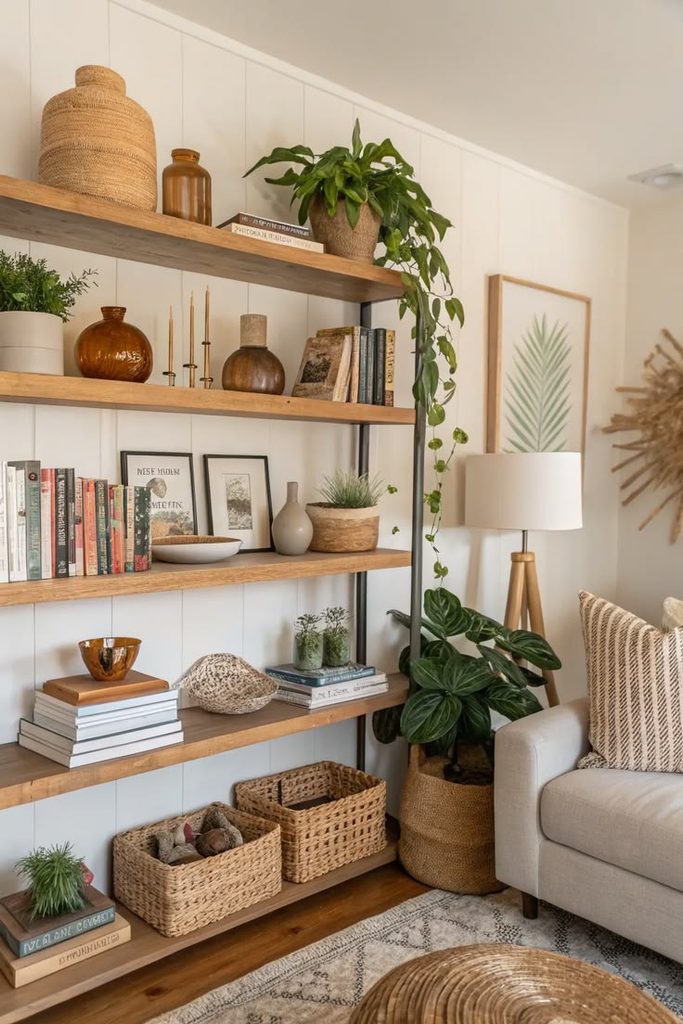
    9. Style Open Shelving With a Mix of Books, Pottery, and Greenery

    Credit: Modern & Mellow

    Open shelves are a farmhouse staple, and they’re a great spot to show off your coastal touches. Mix in stacked books, a few ceramic vases, and one or two trailing plants for life and color.

    Practical tip: group items in odd numbers (three or five) and vary the heights. It looks more natural than lining everything up evenly.

    Traditional homes might add antique pottery here, while modern spaces keep shelves sparser with just a plant and one sculptural object.

    Now let’s talk about something people often overlook: window treatments.

    10. Hang Linen Curtains in Light, Airy Colors

    Story Pin image
    Credit: PlusMood

    Heavy drapes don’t belong in a coastal farmhouse room. Go with linen or cotton curtains in white, cream, or light gray instead. They let light filter through softly, which keeps the whole room feeling bright and breezy.

    Actionable tip: hang your curtain rod about 4 to 6 inches above the window frame and extend it a few inches past the frame on each side. It makes windows look bigger and lets more light in.

    This works in nearly every home style, though modern spaces might prefer a cleaner, unlined linen panel while traditional rooms can add a subtle trim detail.

    Once your windows are dressed, let’s get into wall decor, which ties the whole room together.

    Fabric and Material Comparison for Coastal Farmhouse Rooms

    MaterialBest Used ForDurabilityCoastal Farmhouse Fit
    LinenCurtains, sofa slipcoversMediumHigh, classic breezy look
    JuteRugs, basketsHighHigh, adds texture
    CottonThrow pillows, blanketsMediumHigh, soft and washable
    RattanLight fixtures, chairsHighHigh, iconic coastal texture
    Reclaimed WoodFurniture, wall accentsHighHigh, core farmhouse element

    11. Add a Reclaimed Wood Coffee Table

    Story Pin image
    Credit: Decor Pulses

    A chunky wood coffee table grounds the whole room. Look for pieces with visible grain, knots, or a slightly distressed finish. It should look like it’s had a life before it landed in your living room.

    Practical tip: pick a table that’s roughly two-thirds the length of your sofa for the best visual balance.

    Modern farmhouse rooms often pair this with black metal legs, while more traditional coastal spaces stick with an all-wood build.

    Now let’s bring in some softness with textiles.

    12. Layer Throw Pillows in Varying Textures, Not Just Colors

    Credit: Modern & Mellow

    Texture matters just as much as color in this style. Mix a chunky knit pillow with a linen one and maybe a woven jute-trimmed pillow too. Keep the color palette tight, but let the textures do the visual work.

    Actionable tip: aim for an odd number of pillows per sofa, usually three or five, and always include at least one lumbar pillow for variety in shape.

    This idea adapts easily. Bohemian coastal spaces can add fringe details, while minimalist rooms might stick to two solid-colored pillows max.

    Textiles lead naturally into another texture source: wood beams.

    13. Expose or Add Wood Ceiling Beams

    Story Pin image
    Credit: Home Decor

    If your home already has exposed beams, you’re in luck. If not, faux beams can be added fairly easily and instantly boost that farmhouse charm. Whitewash them slightly to keep things bright rather than heavy and dark.

    Practical tip: if you’re adding faux beams, hollow lightweight ones are much easier to install and won’t require structural reinforcement.

    Traditional homes tend to keep beams a natural wood tone, while coastal-leaning spaces prefer them whitewashed or painted a soft gray.

    Beams draw the eye up, so let’s balance that with something grounding: a gallery wall.

    14. Build a Gallery Wall With Coastal and Farmhouse Art Mixed

    Story Pin image
    Credit: Home Decor & Garden Ideas

    Combine a few botanical prints, some abstract ocean-toned art, and maybe a black and white landscape photo. The mix keeps things interesting instead of matching too perfectly.

    Practical tip: lay your frames out on the floor first and photograph the arrangement before hanging anything. It saves you from a wall full of unnecessary nail holes.

    Modern homes might keep frames all one color (black or white) for cohesion, while eclectic coastal farmhouse rooms mix wood and metal frames freely.

    Once your walls are dressed, don’t forget the little details that pull everything together.

    15. Use Vintage or Antique Accent Pieces

    Credit: WordPress

    An old wooden ladder, a weathered trunk used as a side table, or a vintage lantern all add character that new furniture just can’t replicate. These pieces give the room a sense of history, even if the house itself is brand new.

    Practical tip: check local thrift stores or estate sales before buying “new vintage” pieces online. You’ll usually pay less and get something with actual age and character.

    Farmhouse-heavy homes might lean into more antique pieces overall, while coastal-leaning spaces keep just one or two as accents.

    Last but not least, let’s talk about plants, because greenery finishes off this whole look.

    16. Bring in Greenery With Coastal-Friendly Plants

    Credit: My Beach Lifestyle

    Plants soften up all that wood and neutral fabric. Go with something relaxed looking like a potted olive tree, a fiddle leaf fig, or trailing pothos in a woven basket planter. Avoid anything too tropical or exotic looking since it can clash with the calmer coastal farmhouse vibe.

    Practical tip: use a woven or ceramic planter instead of plastic. It’s a small swap but it instantly looks more intentional.

    Modern rooms might stick to one large statement plant, while traditional coastal farmhouse spaces often scatter smaller plants across multiple surfaces.

    Tips for Success

    • Keep your color palette to three or four main tones so the room doesn’t feel busy
    • Mix textures on purpose. Smooth wood, woven baskets, and soft linen should all be present
    • Don’t be afraid of a little imperfection. Distressed and weathered finishes are part of the charm
    • Use natural light as much as possible. Sheer or light linen curtains help with this
    • Shop secondhand for at least a few pieces. It keeps costs down and adds authentic character
    • Add greenery in at least two spots to keep the room feeling fresh and alive
    • Step back and look at the room as a whole before adding more decor. It’s easy to overdo it

    Common Mistakes and How to Avoid Them

    Painting every wall a bold blue
    : Use blue sparingly as an accent color instead. Keep walls neutral and let pillows, art, or a single chair carry the coastal color.

    Overloading the room with beach theme decor
    : Limit yourself to a few driftwood or shell accents per surface. Less really is more here.

    Choosing furniture that’s too formal or shiny
    : Stick with matte finishes and slipcovered or linen-upholstered pieces for that relaxed, lived-in feel.

    Skipping texture variety
    : Mix at least three different textures (wood, woven fiber, soft fabric) in every room to avoid a flat look.

    Ignoring rug size
    : Always size up. A rug that’s too small makes furniture look like it’s floating and shrinks the whole room visually.

    Forgetting lighting warmth
    : Swap cool white bulbs for warm white ones. Cool lighting clashes with the cozy farmhouse feel this style relies on.

    Similar Variations

    • Coastal Boho: Adds more pattern, macrame, and global textiles into the mix for a livelier feel
    • Modern Coastal: Cleaner lines, less distressing, and a more polished neutral palette
    • Classic Farmhouse: Skips the coastal blues entirely and leans into deep wood tones and red accents
    • Cottage Coastal: Softer, more floral, with pastel colors and a slightly more romantic feel
    • Nautical Farmhouse: Uses bolder navy and white stripes for a more traditional sailing-inspired look
    • Scandinavian Coastal: Combines Nordic minimalism with light coastal colors for an ultra-clean finish

    At the end of the day, a coastal farmhouse living room comes down to balance. You want the relaxed, breezy feel of the coast without losing the warmth and sturdiness of farmhouse style. Mix your textures, keep your colors calm, and don’t be afraid to let a few things look a little worn in.

    If you take just a handful of these ideas and apply them thoughtfully, you’ll end up with a space that feels comfortable, collected, and genuinely yours. And that’s really the whole point of putting together a 16 Coastal Farmhouse Living Room in the first place.

  • 23 Black Living Room Ideas

    23 Black Living Room Ideas

    If you’re hunting for 23 black living room ideas that actually work in real homes (not just magazine spreads), you’ve landed in the right spot. I’ve pulled together the most useful, doable ideas out there, tested against what actually looks good in everyday spaces. No fluff, no guessing games, just solid design advice you can use today.

    A black living room is a space that uses dark charcoal, matte black, or deep ebony tones as the dominant color on walls, furniture, or major decor pieces. This design choice creates a bold, moody atmosphere while still allowing for brightness through lighting, texture, and accent colors.

    Stick around, because I’m about to walk you through more black living room ideas than you’ll find almost anywhere else, plus the mistakes that trip people up every single time.

    Why Black Living Rooms Are Having a Moment

    I get it. Black sounds scary for a living room. Won’t it feel like a cave? Honestly, no, not if you do it right. Black rooms have this quiet confidence to them. They make everything else in the room pop, like art, gold hardware, or a bright green plant. I’ve noticed more designers ditching the all-white look for something with more depth and drama. Black isn’t just a color anymore, it’s a mood. And the best part? It works with almost any style, from modern lofts to cozy farmhouse spaces. Once you see it done well, you kind of can’t unsee how good it looks.

    1. Paint One Accent Wall in Matte Black

    Credit: Maria Faller

    Full black rooms can feel intense if you’re new to this. Start smaller. Pick one wall, usually the one behind your sofa or fireplace, and paint it matte black. Matte finish matters here because it soaks up light instead of bouncing it around, which keeps the room feeling calm instead of harsh.

    Tip: Use a primer made for dark colors first, or you’ll need three or four coats instead of two.

    This works great in modern and industrial spaces, but it also softens up nicely in a traditional room with white trim framing the black wall.

    Once that wall is done, you’ll want furniture that either blends in or stands out against it, which brings us to your sofa choice.

    2. Choose a Charcoal or Black Velvet Sofa

    Credit: Dex Decor

    A velvet sofa in black or deep charcoal instantly makes a room feel expensive. Velvet catches light in a way flat fabrics just can’t, so even a dark piece feels alive instead of flat and boring.

    Go for a sofa with rolled arms or tufted backs if you want a traditional vibe, or a clean-lined boxy shape for something more modern.

    Practical tip: Keep a lint roller nearby. Velvet shows dust and pet hair more than you’d think.

    Coastal homes can even pull this off if you pair the sofa with light, sandy-colored cushions.

    Speaking of cushions, let’s talk about how to keep a black room from feeling flat with the right textiles.

    3. Layer Textures With Pillows and Throws

    Credit: Learn California

    Black rooms live or die by texture. Without it, everything blends into one dark blob. Mix in chunky knit throws, smooth silk pillows, and maybe a faux fur accent to give your eyes something to explore.

    Stick to a simple palette, black, cream, and one metallic tone like brass or gold, so it doesn’t get busy.

    Tip: Odd numbers work best. Try three or five pillows instead of two or four for a more natural look.

    This idea flexes easily. Boho spaces can add fringe details, while minimalist rooms keep textures subtle and smooth.

    Now that your sofa’s dressed up, let’s get some light bouncing around the room.

    4. Add Brass or Gold Light Fixtures

    Credit: Lowe’s

    Black and gold might be the most classic pairing in design history, and for good reason. Gold or brass fixtures catch light and throw warm little glows across a dark room, keeping it from feeling flat or cold.

    Think floor lamps with brass stems, a gold-rimmed pendant light, or even small brass picture lights above your art.

    Tip: Mix warm-toned bulbs (2700K to 3000K) instead of bright white ones. It makes a huge difference in coziness.

    Traditional homes might lean into ornate brass chandeliers, while modern spaces prefer thin, geometric gold lines.

    Lighting sets the mood, but nothing warms up a black room faster than good old-fashioned wood tones.

    5. Bring In Warm Wood Furniture

    Credit: Inspiration For Home

    Black walls or furniture need a partner that feels warm and grounded, and wood does exactly that. A wood coffee table, side table, or even wood-framed art brings balance to all that dark color.

    Medium to warm wood tones, like walnut or oak, work better than gray-washed wood, which can look too cold next to black.

    Tip: If your furniture budget is tight, start with a single wood coffee table. It makes the biggest visual impact for the smallest cost.

    Farmhouse and Scandinavian styles both lean heavily on this pairing, proving black and wood are basically a design cheat code.

    Once wood tones are in place, it’s time to think about what goes on your walls.

    Black Living Room Color Palette Combinations

    Palette NameMain ColorsBest ForMood Created
    Classic ContrastBlack, White, GoldTraditional, Art DecoElegant, Timeless
    Warm EarthBlack, Terracotta, WalnutBoho, FarmhouseCozy, Grounded
    Cool ModernBlack, Grey, ChromeModern, IndustrialSleek, Sharp
    Coastal DarkBlack, Sand, Sea BlueCoastal, TransitionalCalm, Balanced
    Jewel ToneBlack, Emerald, BrassEclectic, MaximalistRich, Dramatic

    6. Hang Large-Scale Art in Simple Black Frames

    Story Pin image
    Credit: LuxuriesHomeIdeas

    Black frames disappear against a black wall, which sounds like a mistake but actually works in your favor. It draws all the attention to the art itself instead of the frame around it.

    Go big. A large canvas or print, at least 36 inches wide, holds its own in a dark room way better than a bunch of small pieces.

    Tip: Hang art so the center sits at eye level, roughly 57 to 60 inches from the floor.

    Minimalist homes love this trick, but eclectic spaces can group several black-framed pieces together for a gallery wall effect.

    Art brings personality, but plants bring life, literally.

    7. Use Green Plants to Break Up the Dark

    Credit: LivingStyleBliss

    Black and green might be my favorite combo in this whole list. Plants add a fresh, living pop of color that black backgrounds make look even more vibrant.

    Bigger leafy plants, like a fiddle leaf fig or monstera, work better than tiny succulents in a black room. You need that scale to compete with the dark color.

    Tip: Fake plants are totally fine here if you don’t have a green thumb. Nobody’s judging from across the room.

    Boho and jungle-inspired styles go all-in on this, but even sleek modern rooms benefit from one or two statement plants.

    Now let’s talk flooring, because what’s under your feet matters just as much as what’s on the walls.

    8. Layer a Light Rug Under Dark Furniture

    Credit: Dex Decor

    A black living room needs contrast on the floor, or the whole space starts feeling heavy. A light-colored rug, think cream, oatmeal, or soft grey, gives your eyes a break and keeps the room grounded.

    Wool or jute rugs add texture without adding more visual weight.

    Tip: Size matters. Your rug should be big enough for at least the front legs of all your seating to sit on it.

    Traditional rooms might choose a patterned light rug, while modern spaces keep it solid and simple.

    Once your floor’s sorted, let’s talk about a design choice that’s a little more daring: black ceilings.

    9. Try a Black Ceiling for Drama

    Credit: Casolia

    This one surprises people, but painting the ceiling black can actually make a room feel more intimate and cozy, not smaller like you’d expect. It’s called the “fifth wall” trick in design circles.

    This works best in rooms with high ceilings or interesting architectural details like beams, since it draws the eye up and adds depth.

    Tip: Pair a black ceiling with recessed lighting so you don’t lose too much brightness.

    Traditional and craftsman-style homes look amazing with this, especially with exposed wood beams against the black.

    Ceilings are a big commitment, so let’s look at a smaller, easier way to add black into your space.

    10. Add Black Metal Accents Throughout

    Story Pin image
    Credit: Drissaura

    If painting a whole wall feels like too much, start with metal accents. Black window frames, black door hardware, or a black metal coffee table base can add just enough edge without overwhelming the room.

    These small touches tie a room together, especially if you’re mixing several other colors and textures.

    Tip: Repeat the black metal finish in at least three spots in the room, like light fixtures, table legs, and picture frames, so it feels intentional instead of random.

    Industrial lofts practically run on this idea, but even cottage-style rooms can use black hardware for a subtle modern edge.

    Speaking of small but powerful details, curtains are another spot where black can make a big difference.

    11. Hang Floor-to-Ceiling Black Curtains

    Credit: Apartment ABC

    Black curtains sound intense, but hung correctly, they actually make a room feel taller and more polished. The trick is hanging them close to the ceiling, not just above the window frame.

    Choose a linen or cotton blend instead of heavy blackout fabric unless you specifically need the room darkened for sleep or movie nights.

    Tip: Curtains should just barely graze the floor, or even puddle slightly, for a more elegant look.

    Modern rooms keep these curtains sleek and unlined, while traditional spaces might add a subtle pattern or trim detail.

    Now that the big elements are covered, let’s zoom into smaller decor choices that pull everything together.

    12. Mix In Black-and-White Photography

    Story Pin image
    Credit: Deco Dusk

    Black-and-white photos feel right at home in a black living room because they share the same tonal language. It’s an easy way to add personal touches without clashing with your color scheme.

    Family photos, city skylines, or nature shots all work here, as long as they’re black and white or heavily desaturated.

    Tip: Frame everything in the same color (either black or white) for a cleaner, more cohesive gallery wall.

    This idea suits basically every style since black-and-white photography is pretty universally timeless.

    Let’s shift gears now and talk about a bolder move: black built-ins.

    13. Install Black Built-In Shelving

    Credit: Dex Decor

    Built-in shelves painted black turn storage into a design feature instead of an afterthought. Books, decor, and even a TV tucked into black shelving look intentional and put-together instead of cluttered.

    This works especially well flanking a fireplace or filling an awkward nook.

    Tip: Leave some shelves half-empty. Overstuffed shelves look chaotic, especially against a dark background.

    Traditional homes might add molding details to the shelving, while modern spaces keep the lines flat and simple.

    Storage handled, let’s talk about something people forget entirely: black hardware on existing furniture.

    14. Swap Out Hardware for Black Fixtures

    Credit: Apartment ABC

    If you’re not ready to paint or buy new furniture, just change the hardware. Black drawer pulls, cabinet knobs, or even switch plates are a cheap, fast way to bring the theme into a room.

    This tiny detail adds up more than you’d think.

    Tip: Matte black hardware hides fingerprints better than shiny black finishes.

    Farmhouse kitchens near the living room can match this hardware for a cohesive flow between spaces.

    Now let’s cover something a lot of people overlook completely: the mirror.

    15. Frame Mirrors in Black for Depth

    Story Pin image
    Credit: SophistiCraftedCorners

    A black-framed mirror does double duty. It adds a design element and bounces light around a darker room, which helps keep things from feeling too closed in.

    Placing a mirror across from a window works best since it reflects natural light back into the space.

    Tip: Go big again here. A mirror at least 30 by 40 inches makes a real visual statement.

    Art deco and glam styles especially love oversized black mirrors with detailed frames.

    Black Furniture Budget Tiers

    Budget TierPrice RangeWhat You GetBest Retailers
    Budget$200-$600Basic black sofa, small decor accentsIKEA, Target, Wayfair
    Mid-Range$600-$1,500Velvet sofa, quality lighting, wood accentsWest Elm, CB2, Article
    High-End$1,500-$4,000+Custom upholstery, designer lighting, solid wood piecesRestoration Hardware, local designers

    16. Use Black Window Trim Instead of White

    Credit: Inspiring Lifestyle Ideas

    Swapping white window trim for black changes the entire feel of a room. It frames your view outside like a photo and adds a subtle architectural detail that most guests won’t even clock consciously, they’ll just know the room feels sharper.

    Tip: Test this on one window first if you’re nervous. It’s an easy commitment to reverse.

    Modern farmhouse homes practically invented this trend, but it works in craftsman and contemporary spaces too.

    17. Add a Black Fireplace Surround

    Credit: Lori McElhinney

    A black fireplace surround, whether it’s tile, stone, or painted brick, turns your fireplace into the room’s natural focal point. It grounds the whole space and gives your eye somewhere to land first.

    Tip: Honed (matte) finishes look more modern, while polished black stone leans more glam.

    This works in basically every home style, since fireplaces are already a classic architectural feature.

    18. Incorporate Black Dining or Accent Chairs Nearby

    Story Pin image
    Credit: Efistu

    If your living room flows into a dining area, black chairs create a visual thread between spaces. They don’t have to match exactly, just share that dark, moody color language.

    Tip: Mix wood and black metal chairs for a more collected, less matchy look.

    Eclectic and transitional homes benefit most from this connective trick.

    19. Try a Black Accent Chair Instead of a Full Black Sofa

    Credit: Teb

    Not ready to commit to an all-black sofa? A single black accent chair gives you the drama without the full commitment. It’s a lower-risk way to test the look.

    Tip: Choose a chair with an interesting silhouette, like a wingback or a curved barrel shape, so it reads as a design choice, not just a random dark chair.

    This works especially well in transitional and mid-century modern spaces.

    20. Add Black Ceramic or Stoneware Decor

    Story Pin image
    Credit: Epoch Home

    Small decor pieces, vases, bowls, candle holders, in matte black ceramic add texture without taking up much space or budget. They’re an easy, low-commitment way to test the black trend.

    Tip: Cluster odd numbers of similar-toned objects together on a shelf or coffee table for the best visual effect.

    This suits basically every style, from Scandinavian to bohemian.

    21. Choose a Black Area Rug With Pattern

    Story Pin image
    Credit: mosleyrichard

    Instead of an all-black room, try flipping it. A black rug with a subtle pattern, like a trellis or geometric print, anchors a lighter room while still bringing in that moody depth.

    Tip: Darker patterned rugs hide stains better than light solid ones, which is great if you’ve got kids or pets.

    Traditional and transitional homes especially love patterned black rugs.

    22. Paint Your Trim and Doors Black

    Story Pin image
    Credit: Elmaa

    Instead of walls, try painting just your trim, doors, and moldings black while keeping walls a lighter color. It’s a subtler way to bring in the drama without darkening the whole room.

    Tip: Use a semi-gloss or satin finish on trim for durability, since it gets touched and bumped more than walls.

    This works beautifully in traditional homes with detailed molding work.

    23. Add Black Accent Pillows to a Neutral Sofa

    credit: Soft & Soulful

    If you’re really just testing the waters, black throw pillows on a neutral sofa is the easiest entry point. Low cost, low commitment, and easy to change your mind later.

    Tip: Pair with one textured pillow (like boucle or velvet) so the black doesn’t look flat next to smoother fabrics.

    Works in literally every home style out there.

    Tips for Success

    • Always test paint samples on your actual wall before committing, black looks different depending on your room’s natural light.
    • Balance every dark element with something light or metallic nearby.
    • Don’t skip lighting layers. Overhead, table, and floor lamps all matter in a dark room.
    • Keep at least one large light-colored surface, like a rug or ceiling, to avoid a cave-like feel.
    • Add texture generously. Flat black surfaces without texture tend to look cheap.
    • Start small if you’re nervous. Accent walls and pillows are easy to change later.

    Common Mistakes and How to Avoid Them

    Using only cool-toned lighting
    : Swap to warm bulbs (2700K-3000K) to keep the room feeling cozy instead of clinical.

    Skipping texture entirely
    : Mix in velvet, wool, wood, and metal so the room doesn’t feel flat or one-dimensional.

    Painting without primer
    : Always use a dark-tint primer first or you’ll end up repainting three extra coats.

    Making every surface black
    : Balance with light rugs, wood tones, or white trim so the space doesn’t feel closed-in.

    Forgetting natural light sources
    : Keep windows uncovered or lightly curtained during the day to prevent the room from feeling like a cave.

    Similar Variations

    • Moody Jewel Tone Living Room – Pairs black with deep emerald, sapphire, or burgundy for a rich, dramatic feel.
    • Black and White Scandinavian – Combines black accents with light wood and crisp white walls for a clean, cozy look.
    • Industrial Black Loft – Leans into exposed brick, black metal fixtures, and raw materials for an urban feel.
    • Coastal Dark Living Room – Mixes black with sandy neutrals and ocean blues for a beachy but bold vibe.
    • Art Deco Black and Gold – Uses black as a backdrop for glamorous gold and brass details plus curved furniture shapes.

    So there you have it. Black living rooms aren’t about making a space feel dark or gloomy, they’re about adding depth, warmth, and a little drama to a room you already spend tons of time in. Whether you start small with a few pillows or go all-in with a black ceiling, the goal is balance, texture, and light working together. I hope this list of 23 Black Living Room Ideas gave you enough inspiration to finally make that leap into the dark side of design.

  • 19 Floor Lamps Living Room Ideas That Actually Work

    19 Floor Lamps Living Room Ideas That Actually Work

    If you’ve been scrolling around trying to find the best 19 floor lamps living room ideas, I’ve got you covered here with everything you need to make a smart choice for your space.

    A floor lamp for the living room is a portable light fixture that stands on the floor, usually between 4 and 6 feet tall, used to add ambient or task lighting without needing a side table or ceiling fixture.

    Stick with me and I’ll walk you through 19 real, usable ideas plus some mistakes I’ve seen people make way too often.

    What Makes Floor Lamps So Great for Living Rooms Anyway

    I love floor lamps because they solve a problem overhead lighting can’t. Ceiling lights are harsh. They flatten a room out. Floor lamps add pockets of warm light exactly where you need them, like next to a reading chair or behind a couch. They also fill in dead corners that would otherwise just sit there looking empty. And here’s the best part, you can move them. No electrician, no drilling holes in your ceiling. Just plug it in and go. That flexibility is why designers lean on floor lamps so much when they’re staging a room. They’re cheap, they’re fast, and they make a huge visual difference.

    1. Anchor a Reading Nook with an Arc Floor Lamp

    Story Pin image
    credit: WicoLux

    An arc floor lamp curves out over a chair or sofa, dropping light right where you’re sitting without needing a side table underneath. This is perfect if you’ve got a comfy armchair near a window but no outlet close enough for a regular table lamp. Pick a black or brass finish arc lamp for contrast against a light sofa.

    Tip: measure the arc’s reach before buying, some extend up to 6 feet from the base.

    This style works great in modern and mid-century spaces, but a curved wood-finish version can soften into a traditional room too. Once your reading corner is sorted, let’s talk about lighting up dark corners next.

    2. Brighten Dark Corners with a Tripod Floor Lamp

    Story Pin image
    Credit: Nest & Glow Finds

    Every living room has that one corner that never gets enough light. A tripod floor lamp with three splayed legs fills that gap nicely and adds a bit of visual interest at the same time. The tripod base feels sturdy and grounded, almost like a small piece of furniture rather than just a light source.

    Go with a natural wood tripod if your room leans boho or Scandinavian. A black metal tripod suits more industrial or modern spaces.

    Tip: pair the shade color with your walls for a blended look, or contrast it for a statement piece.

    Next up, let’s cover a lamp style that doubles as extra storage.

    3. Add Function with a Shelf-Style Floor Lamp

    Credit: Pinterest

    Shelf floor lamps have built-in shelves on the pole, so you get a light and a spot for books, a plant, or your coffee mug all in one. These are great for small apartments where every piece of furniture needs to pull double duty.

    Tip: don’t overload the shelves, one or two items max keeps it from looking cluttered.

    This works in almost any style, but it shines in minimalist and small-space living rooms where you can’t fit an extra side table.

    Now let’s look at a classic option that never really goes out of style.

    4. Go Classic with a Torchiere Floor Lamp

    Story Pin image
    Credit: Avenora Home Finds

    A torchiere lamp points its light upward, bouncing it off the ceiling for soft, indirect glow. These have been around forever because they just work. They’re great for rooms where you want gentle ambient light rather than a bright reading spot.

    Tip: use these in rooms with lower ceilings to make the space feel taller, since the light draws the eye upward.

    Traditional and transitional living rooms love torchiere lamps, especially in brushed nickel or bronze finishes.

    Let’s move from classic to something a little more sculptural.

    5. Make a Statement with a Sculptural Floor Lamp

    Story Pin image
    Credit: Home decor

    Some floor lamps aren’t really about the light at all, they’re basically art you plug in. Think curvy metal bases, asymmetrical shades, or unusual materials like stone or ceramic. These work best as a single bold piece in an otherwise simple room.

    Tip: if the lamp is loud, keep the shade neutral so the light itself doesn’t compete with the base.

    This idea fits modern, eclectic, and even glam living rooms where you want one showstopper piece.

    Next, let’s talk about a softer, more textured option.

    6. Soften the Room with a Fabric Drum Shade Floor Lamp

    Story Pin image
    Credit: Victoria Hagan

    A drum shade floor lamp has a big, cylindrical fabric shade that diffuses light evenly and softly. It’s a forgiving choice because the light doesn’t glare or cast harsh shadows. Linen or cotton shades add texture too, not just light.

    Tip: choose a shade at least 16 inches wide if your lamp sits next to a large sofa, smaller shades look off balance.

    This suits transitional and traditional rooms especially well, though a linen shade also works in coastal spaces.

    Now, here’s a quick table to help you figure out which lamp height and style actually fits your room size.

    Floor Lamp Size Guide by Room Size

    Room SizeRecommended Lamp HeightBest Style MatchPlacement Tip
    Small (under 150 sq ft)50-58 inchesShelf-style, slim tripodCorner or beside a small chair
    Medium (150-300 sq ft)58-64 inchesArc, torchiere, drum shadeBeside sofa or reading chair
    Large (300+ sq ft)64-72 inchesSculptural, oversized arcAnchoring a seating group
    Open concept62-70 inchesMulti-light tree lampBetween zones for definition

    7. Layer Light with a Tree Floor Lamp

    Story Pin image
    Credit: areeba_home_decor

    Tree floor lamps have multiple heads branching out from one base, so you get several light sources from a single lamp. This is great if you want to skip a side table lamp and an overhead fixture and just handle everything with one piece.

    Tip: look for models with independent switches on each head so you can control brightness per bulb.

    These work beautifully in open concept living rooms where one lamp needs to do the job of several. Modern and Scandinavian spaces use these a lot.

    Let’s switch gears and talk about mixing metals next.

    8. Mix Metals for a Collected Look

    Credit: Flavors Boost

    Don’t feel like your floor lamp has to match every other metal finish in the room. A brass lamp next to black metal side tables, or a chrome lamp with wood furniture, actually looks more intentional than an all-matching set. It gives the room that lived-in, collected-over-time feel.

    Tip: repeat each metal at least twice somewhere else in the room so it feels planned, not random.

    This mixing works in almost every style, but it’s especially popular in eclectic and modern farmhouse rooms.

    Speaking of farmhouse, let’s dig into that style specifically.

    9. Warm Up a Farmhouse Living Room with a Wood Base Lamp

    Story Pin image
    Credit: Golden Oak Living

    A wood base floor lamp, especially in oak or walnut, adds warmth that metal just can’t match. Pair it with a woven or linen shade for that cozy, lived-in farmhouse feel. These lamps tend to feel heavier and more grounded than metal ones.

    Tip: match the wood tone to at least one other wood piece in the room, like a coffee table, so it doesn’t look like an outlier.

    This idea obviously fits farmhouse decor, but it also works in Scandinavian and coastal living rooms.

    Now let’s talk about a trend that’s been picking up steam, colored glass bases.

    10. Add Color with a Glass Base Floor Lamp

    Credit: lumioshine

    Colored glass base lamps bring in a pop of color without committing to a paint job. Amber, green, and smoky glass are popular right now. The light glowing through the glass base adds a nice secondary effect too, almost like a bonus accent light.

    Tip: pick a glass color that echoes something small elsewhere in the room, like a throw pillow or a vase, so it feels connected.

    This works great in eclectic, art deco, and glam living rooms.

    Let’s move on to something for the minimalists out there.

    11. Keep it Simple with a Slim Pole Lamp

    Story Pin image
    Credit: Nik

    Sometimes less really is more. A slim pole floor lamp with a small shade and thin metal body takes up almost no visual space. This is ideal for tiny apartments or rooms already packed with furniture and pattern.

    Tip: place it where you need light but don’t want the eye to stop, like a walkway corner or behind a chair.

    Minimalist and modern Japanese-inspired rooms use this style constantly, but it also works well tucked into a traditional room without competing with other furniture.

    Next, let’s talk about a lamp style built for multitasking desks and living rooms combined.

    12. Combine Work and Relaxation with an Adjustable Task Floor Lamp

    Story Pin image
    Credit: Cozy Avenora

    If your living room doubles as a home office corner, an adjustable task floor lamp with a swing arm and dimmer is a smart pick. You get bright, focused light for working, then dim it down for movie nights.

    Tip: look for a lamp with a built-in USB port if you’re also charging a laptop or phone nearby.

    This idea fits modern and industrial spaces best, especially with black or brushed steel finishes.

    Here’s a table comparing a few common floor lamp materials so you can pick what fits your lifestyle and budget.

    Floor Lamp Material Comparison

    MaterialAverage Price RangeDurabilityBest For
    Metal (steel/iron)$50-150HighHigh-traffic homes, kids, pets
    Wood$80-200Medium-highFarmhouse, Scandinavian, coastal
    Glass base$60-180Medium (fragile)Statement pieces, low-traffic areas
    Rattan/woven$70-160MediumBoho, coastal, casual spaces

    13. Create Symmetry with Two Matching Floor Lamps

    Credit: Lamps Plus

    Instead of one floor lamp, try two matching ones on either side of a sofa or media console. This creates a balanced, almost gallery-like feel, especially in larger living rooms where one lamp might look lost.

    Tip: keep the shades identical but feel free to vary the placement height slightly if your furniture isn’t perfectly symmetrical.

    This idea is a favorite in traditional and transitional living rooms, though a modern pair of arc lamps can pull it off too.

    Let’s talk about how to use floor lamps behind furniture, not just beside it.

    14. Backlight a Bookshelf or Console with a Floor Lamp

    Credit: Dina Furnish

    Placing a floor lamp behind a low bookshelf or media console adds a soft glow that highlights whatever’s displayed on top, books, plants, framed photos. It’s an easy way to add depth to a flat wall without hanging anything new.

    Tip: use a lamp with an upward-facing shade so the light spreads across the wall instead of just down onto the floor.

    This works in nearly every style, though it’s especially effective in eclectic and gallery-wall living rooms.

    Now, let’s cover dimmers, because this changes everything.

    15. Install a Dimmable Floor Lamp for Mood Control

    Story Pin image
    Credit: Prime Pick

    A dimmable floor lamp lets you go from bright and functional during the day to low and cozy at night, all with one fixture. Smart bulbs work here too if you don’t want to buy a whole new lamp, just swap the bulb.

    Tip: look for lamps with a foot pedal dimmer, it’s way easier than reaching down to twist a tiny knob every time.

    This idea fits every single style since it’s more about function than looks. Any living room benefits from adjustable lighting.

    Let’s talk textures next, specifically woven and rattan shades.

    16. Bring in Texture with a Woven Rattan Shade Lamp

    Credit: Lena Home Styling

    A woven rattan or bamboo shade adds warmth and texture that plain fabric or metal can’t match. The light filters through the weave in a soft, dappled way that feels relaxed and natural.

    Tip: pair with other natural textures in the room, like a jute rug or linen curtains, to keep the look cohesive.

    This is a go-to for coastal, boho, and Japandi living rooms, though it can work in a farmhouse space too.

    Next, let’s talk about scale, because bigger isn’t always better.

    17. Balance Big Furniture with an Oversized Floor Lamp

    Story Pin image
    Credit: Suite 101

    If you’ve got a large sectional or big open living room, a small lamp will look silly next to it. An oversized floor lamp with a wide shade and tall pole actually balances big furniture instead of getting swallowed by it.

    Tip: measure your sofa’s back height, your lamp shade should sit roughly at or slightly above that line for good visual balance.

    This works in modern and contemporary rooms with large furniture, but oversized traditional lamps with fabric shades do the same job in classic spaces.

    Let’s finish up with a couple of ideas around finish and placement.

    18. Match Your Lamp Finish to Your Hardware

    Credit: Mindful Hues

    Small details matter. If your cabinet handles, light switches, and curtain rods are all matte black, a shiny brass lamp can feel out of place. Matching (or intentionally contrasting) your lamp finish to existing hardware pulls the whole room together.

    Tip: take a photo of your room’s hardware finishes on your phone before you go lamp shopping, it’s an easy reference at the store.

    This detail matters most in modern and transitional rooms where finishes tend to be more consistent throughout.

    Last one, let’s talk about placing a lamp near your TV setup.

    19. Reduce Eye Strain with a Floor Lamp Near the TV

    Credit: MFI

    Watching TV in a pitch-black room actually strains your eyes more than you’d think. A dim floor lamp placed behind or beside the TV softens the contrast between the bright screen and dark room, making movie nights easier on your eyes.

    Tip: keep this lamp on a low dimmer setting, bright light near the screen will wash out the picture.

    This works in any living room setup, but it’s especially helpful in media rooms and open concept spaces where the TV is a focal point.

    Tips for Success

    • Always check the bulb type and wattage limit before buying replacement bulbs, some lamps only handle LED bulbs safely.
    • Test lamp placement with painter’s tape on the floor before committing, it saves you from rearranging furniture twice.
    • Buy a lamp with a weighted base if you have kids or pets, tip-overs happen more than you’d think.
    • Stick to warm white bulbs (2700K-3000K) for living rooms, cool white light feels more like an office.
    • Keep cord length in mind, measure the distance to your nearest outlet before falling in love with a lamp online.
    • Rotate lamp placement seasonally, a lamp that worked by a summer reading chair might be better near the fireplace in winter.

    Common Mistakes and How to Avoid Them

    Buying a lamp that’s too short for your sofa
    : Your lamp shade should sit close to eye level when seated, otherwise the light shines in your eyes instead of down on your book or lap.

    Ignoring bulb color temperature
    : Stick with warm white bulbs for cozy living spaces, cool white bulbs make rooms feel clinical and uninviting.

    Placing the lamp too far from where you actually sit
    : A floor lamp more than 2-3 feet from your seating spot won’t give you enough usable light, measure before you commit to a spot.

    Choosing style over function
    : A gorgeous sculptural lamp that barely lights the room isn’t doing its job, balance form and function every time.

    Forgetting about cord management
    : Loose cords across walkways are a tripping hazard, use a cord cover or route it behind furniture.

    Overcrowding one corner with too many lamps
    : One well-placed lamp beats three competing ones, spread your lighting around the whole room instead.

    Similar Variations

    • Boho Floor Lamp Styling – leans on rattan, macrame shades, and warm amber bulbs for a relaxed, layered look.
    • Industrial Floor Lamp Styling – black metal, exposed bulbs, and adjustable arms for a raw, workshop-inspired feel.
    • Coastal Floor Lamp Styling – whitewashed wood, woven shades, and light, breezy finishes.
    • Art Deco Floor Lamp Styling – bold geometric bases, brass finishes, and glass accents for a glamorous touch.
    • Japandi Floor Lamp Styling – simple wood or paper shades combining Japanese minimalism with Scandinavian warmth.
    • Mid-Century Floor Lamp Styling – tripod legs, walnut wood, and simple conical shades echoing 1950s and 60s design.

    At the end of the day, picking the right lighting comes down to knowing your space, your style, and how you actually use your living room day to day. Whether you go bold with a sculptural piece or keep it simple with a slim pole lamp, small lighting choices add up to a much cozier room. I hope this rundown of 19 floor lamps living room ideas gave you enough options to find the perfect fit for your own space.

  • 15 White Walls Living Room Ideas That Actually Feel Warm, Not Boring

    15 White Walls Living Room Ideas That Actually Feel Warm, Not Boring

    I get it. You’re staring at your blank white walls right now, wondering if this whole “15 white walls living room” thing is going to look like a hospital waiting room or something you’d actually want to relax in every night. I’ve been down this road myself, and I’m here to walk you through exactly what works.

    White walls in a living room create a neutral backdrop that reflects light and makes spaces feel larger and brighter. The design challenge lies in adding warmth through texture, color accents, and furniture choices so the room doesn’t feel cold or sterile.

    Stick with me, because I’m about to show you 15 ways to make white walls feel like the coziest choice you ever made, plus some tricks nobody talks about.

    Why White Walls Still Win in Living Rooms

    I know what you’re thinking. White walls sound safe, maybe even a little boring. But here’s the thing: white is a blank canvas, not a dead end. It bounces light around a room like nothing else. Small living room? White walls make it breathe. Got amazing art or a killer bookshelf collection? White lets those pieces shine without competing for attention.

    The trick is knowing that “white” isn’t just one color. There’s warm white, cool white, bright white, and creamy white. Pick wrong, and your room feels flat. Pick right, and it feels like a magazine spread. Let’s get into the ideas that make this work.

    1. Choose a Warm White Undertone Instead of Stark White

    Credit: Chris Aulner

    Not all whites are created equal. Stark, cool whites can feel clinical fast. I always steer people toward whites with a hint of cream, beige, or even soft gray mixed in. These warm whites still brighten your space but avoid that sterile, office-building vibe.

    Try swatches like Benjamin Moore’s “White Dove” or Sherwin Williams’ “Alabaster.” Paint a big sample on your wall and watch it change throughout the day. Morning light hits differently than evening light.

    Tip: Test paint samples on at least two different walls since lighting angles shift the color’s warmth.

    This works beautifully in farmhouse, coastal, and traditional homes. It softens modern spaces too, keeping them from feeling too clinical.

    Once your wall color feels right, the next move is bringing in texture so the room doesn’t feel flat.

    2. Layer Textured Throw Pillows and Blankets

    Credit: Nature Creatures

    White walls need texture to feel alive. Smooth walls plus smooth furniture equals a flat room. I always tell people to pile on textured pillows: chunky knits, linen, velvet, boucle. Mix a few textures on your couch and it instantly feels richer.

    Throw a chunky knit blanket over the armrest. Add a few pillows in different textures but similar tones, like cream, oatmeal, and soft gray. This creates depth without adding actual color.

    Practical tip: Stick to three to five pillows max on a standard sofa. More than that looks cluttered, not cozy.

    Boho and Scandinavian living rooms lean hard into this trick, but it works in modern minimalist spaces too, just with fewer, higher-quality pieces.

    Texture handles one layer of warmth. Next, let’s talk about bringing in natural materials that do double duty.

    3. Bring in Wood Furniture for Natural Warmth

    Story Pin image
    Credit: Homely Haven Designs

    White walls plus white furniture can feel like you’re living in a cloud. Wood grounds the room. A wood coffee table, a wooden media console, or even wood-framed art breaks up all that brightness and adds an earthy feel.

    I love pairing white walls with mid-tone wood tones, think oak or walnut, rather than super dark or super light wood. Mid-tones feel balanced and don’t scream one particular decade.

    Actionable tip: If you’re on a budget, start with one big wood piece, like a coffee table, before adding smaller wood accents.

    This trick is a staple in Scandinavian and mid-century modern spaces, but it also softens farmhouse and coastal rooms beautifully.

    Speaking of grounding a space, let’s talk about what goes underneath your furniture next.

    4. Add a Statement Rug With Pattern or Color

    Story Pin image
    Credit: Pritom Das

    Your floor is prime real estate for personality when your walls stay neutral. A patterned rug, whether it’s a bold geometric design or a soft vintage-style pattern, gives your eyes something interesting to land on.

    I’ve seen white living rooms transform completely just by swapping a plain rug for one with muted terracotta, navy, or sage green tones woven through it. The rug becomes the room’s personality without overwhelming the white backdrop.

    Tip: Choose a rug at least eight inches wider than your seating area on each side so furniture doesn’t feel like it’s floating.

    Traditional homes love ornate, detailed rugs. Modern spaces do better with clean geometric patterns. Coastal rooms often go for jute or natural fiber textures with subtle stripes.

    Rug Size Guide by Living Room Dimension

    Room SizeRecommended Rug SizeFurniture Placement
    Small (10×10 ft)6×9 ftFront legs of furniture on rug
    Medium (12×14 ft)8×10 ftAll furniture legs on rug
    Large (16×18 ft)9×12 ftRug anchors entire seating area
    Extra Large (20×20 ft+)10×14 ftConsider layering two rugs

    Once your rug sets the tone underfoot, it’s time to think about what hangs above it.

    5. Hang Oversized Art for a Gallery Feel

    Credit: 123Inspiration

    White walls are basically begging for art. A big statement piece, whether it’s abstract, a landscape, or even a large mirror, gives the room a focal point instantly. Small art pieces can get lost on big white walls, so go bigger than you think you need.

    I always suggest hanging art at eye level, roughly 57 to 60 inches from the floor to the center of the piece. This is the standard gallery height and it just feels right in most rooms.

    Tip: If you can’t commit to one giant piece, create a gallery wall with five to seven smaller frames in varying sizes but similar frame colors.

    Modern homes favor abstract or minimalist art. Traditional spaces do well with framed landscapes or classic portraits. Coastal rooms love ocean-inspired prints or woven wall hangings.

    Now that your walls have a story to tell, let’s bring some green into the mix.

    6. Add Live Plants for Organic Color

    Story Pin image
    Credit: homes and luxury

    Nothing warms up white walls faster than greenery. Plants add color, life, and a little unpredictability to an otherwise controlled space. Even one big fiddle leaf fig or a few smaller potted plants scattered around can shift the whole feel of the room.

    I like clustering plants of different heights together rather than scattering them randomly. Group a tall plant, a medium plant, and a small trailing plant near a window for a layered look.

    Practical tip: If you don’t have a green thumb, start with low-maintenance options like snake plants or pothos. They practically thrive on neglect.

    Bohemian and Scandinavian spaces go heavy on plants. Modern minimalist rooms usually stick to one or two statement plants instead of a jungle.

    Plants bring life in one way, but lighting brings a totally different kind of warmth. Let’s talk about that next.

    7. Layer Your Lighting With Warm Bulbs

    Story Pin image
    Credit: Boost Lighting Inc

    Overhead lighting alone makes white walls feel flat and a little harsh. I always tell people to layer their lighting: overhead, table lamps, and floor lamps, all using warm-toned bulbs rather than cool white ones.

    Look for bulbs labeled “soft white” or “warm white,” usually in the 2700K to 3000K range. This warmer light temperature makes white walls glow instead of glare.

    Tip: Put lamps on dimmers if you can. Being able to lower the light in the evening makes a huge difference in coziness.

    This trick works across every single home style because good lighting is universal. Traditional homes might use brass lamp fixtures, while modern homes lean toward sleek black or matte finishes.

    Good lighting sets the mood, but furniture color choices matter just as much. Let’s dig into that.

    8. Choose Furniture in Warm Neutral Tones

    Credit: Liza Padilla

    Pairing white walls with furniture in warm neutrals, think camel, terracotta, soft gray, or olive, creates a cohesive look without adding visual noise. Skip stark black or bright white furniture if you want a cozier feel.

    A camel-colored leather sofa or a terracotta accent chair against white walls looks intentional and warm rather than sterile. These tones photograph beautifully too, if that matters to you.

    Tip: If you’re buying new furniture, get fabric swatches first and look at them in your actual room’s lighting before committing.

    Mid-century modern spaces love warm mustard and burnt orange tones. Coastal rooms lean toward sandy beiges and soft blues instead.

    Furniture Color Pairings for White Walls

    StyleFurniture ColorAccent ColorBest For
    ModernCharcoal grayMustard yellowSmall apartments
    CoastalSandy beigeOcean blueBeach houses
    TraditionalDeep burgundyGold accentsFormal living rooms
    FarmhouseCream linenSage greenFamily homes
    BohoTerracottaRust and creamEclectic spaces

    With furniture color settled, let’s look at how curtains and window treatments play into this whole scheme.

    9. Use Linen Curtains for Soft Texture

    Credit: Marshal

    Heavy, dark curtains can feel out of place against white walls unless you’re going for high contrast on purpose. I usually recommend linen curtains in a natural or off-white shade. They let light filter through softly and add texture without adding heaviness.

    Linen has this slightly wrinkled, lived-in look that feels effortless rather than stiff. It’s the opposite of stark, which is exactly what balances white walls well.

    Tip: Hang curtains close to the ceiling, not just above the window frame. This makes ceilings feel taller and windows feel bigger.

    Coastal and farmhouse homes practically live for linen curtains. Modern spaces sometimes skip curtains entirely, opting for simple blinds instead, which is fine too.

    Curtains handle the windows, but what about the walls themselves needing more than just paint? Let’s talk molding next.

    10. Add Trim or Molding for Architectural Interest

    Credit: Eda Boulat

    Flat white walls can look a little plain without some kind of architectural detail. Adding trim, wainscoting, or picture frame molding gives your walls texture and shadow lines even while staying white.

    I love picture frame molding in living rooms because it adds a classic, custom look without needing wallpaper or color. Paint it the same white as your walls for a subtle, monochromatic effect, or paint it a shade darker for contrast.

    Tip: If a full molding project feels like too much, start with just one accent wall to test the look before committing to the whole room.

    Traditional and transitional homes use this trick constantly. Modern homes might opt for simple square panel molding instead of ornate designs.

    Molding adds structure, but don’t forget the power of mixing metals for extra depth.

    11. Mix Metal Finishes in Your Decor

    Story Pin image
    Credit: Inspiration For Home

    White walls create the perfect backdrop for metal accents to really pop. Mixing finishes, like matte black lamp bases with brass picture frames and chrome side table legs, adds visual interest without adding actual color.

    I know “mixing metals” sounds like a design no-no from ten years ago, but it’s actually a great way to add depth. Just make sure one metal tone dominates (about 60%) while the others play supporting roles.

    Tip: Start small. Swap out one lamp or one set of drawer pulls before going all in on multiple metal finishes.

    Industrial and modern spaces love black and brass combos. Traditional rooms often stick with brass and gold tones exclusively.

    Metals bring shine, but books and personal items bring soul. Let’s cover that next.

    12. Style Open Shelving With Books and Personal Objects

    Credit: Marcela Lee

    White walls give shelving units a chance to really stand out. Open shelves filled with books, small plants, and personal treasures break up blank space while telling your story.

    I always suggest grouping items in odd numbers, like threes, and varying heights. Stack some books flat, stand others upright, and tuck a small plant or framed photo in between.

    Tip: Leave some empty space on each shelf. Overpacked shelves feel cluttered, even against calming white walls.

    Bohemian homes pile shelves high with collected treasures. Minimalist and Scandinavian spaces keep it sparse, maybe just three or four curated items per shelf.

    Shelving adds personality at eye level, but let’s not forget what’s happening above your head.

    13. Paint or Wallpaper the Ceiling for a Surprise Detail

    Story Pin image
    Credit: The Decor Love

    Here’s a trick a lot of people skip. If your walls are white, your ceiling doesn’t have to be. A soft color, a subtle pattern, or even a bold wallpaper on the ceiling creates what designers call a “fifth wall” effect.

    I’ve seen soft blue ceilings make white-walled rooms feel like a fresh sky. I’ve also seen bold floral wallpaper on a ceiling turn a plain room into something magazine-worthy.

    Tip: If you’re nervous about commitment, try a peel-and-stick wallpaper on the ceiling. It’s easy to remove if you change your mind.

    Traditional and eclectic homes take more risks here. Modern spaces might just add a slightly different white shade on the ceiling for subtle depth.

    Ceilings handle the top of the room, but let’s bring things back down with fabric on furniture.

    14. Add an Accent Chair in a Bold Color or Pattern

    Credit: Lucy-Ann

    One bold accent chair does more work than you’d think. Against white walls, a single chair in a rich color, like emerald green velvet or a bold floral print, becomes an instant focal point.

    I always tell people this is the easiest way to add personality without repainting anything. If you get tired of the color, you just reupholster or replace one chair, not your whole room.

    Tip: Choose a chair color that appears elsewhere in the room, like in a pillow or piece of art, so it feels connected rather than random.

    Traditional homes love patterned wingback chairs. Modern spaces often go for a single saturated color in a clean-lined chair instead.

    One bold piece brings energy, but layering natural materials brings balance. Let’s wrap up with one final texture trick.

    15. Incorporate Natural Fiber Baskets and Woven Elements

    Story Pin image
    Credit: Haven Glow

    Baskets aren’t just for storage. Woven baskets, rattan accents, and jute elements add earthy texture that softens white walls instantly. Use them for blankets, magazines, or firewood storage near a fireplace.

    I like placing a few different-sized baskets together near a couch or under a console table. It’s functional and it looks intentional, not like you’re just hiding clutter.

    Tip: Look for baskets with handles if you plan to move them around often, like when you’re tidying up quickly before guests arrive.

    Boho and coastal homes practically require woven textures throughout. Even modern spaces can use one or two rattan pieces to soften sharp lines.

    That’s fifteen solid ways to take your white walls from blank to beautiful. Now let’s cover some quick tips to tie it all together.

    Tips for Success

    • Test paint samples at different times of day since natural light changes how white looks dramatically from morning to night.
    • Stick to a consistent color temperature for all your light bulbs throughout the room, mixing warm and cool bulbs looks messy.
    • Invest in one or two higher-quality statement pieces rather than filling the room with lots of small, cheap decor items.
    • Keep a running mood board, digital or physical, so your color and texture choices stay cohesive as you shop over time.
    • Don’t rush the process. Rooms come together over weeks or months, not in one single shopping trip.
    • Vacuum and dust white walls occasionally since they show scuffs and marks more easily than darker colors.
    • Leave breathing room between furniture pieces so the space still feels open, which is the whole point of going white in the first place.

    Common Mistakes and How to Avoid Them

    Using only cool-toned white
    : This often makes rooms feel sterile and cold. Swap for a warm white with cream or beige undertones instead.

    Skipping texture entirely
    : Flat white walls with flat furniture creates a boring room. Add knits, wood, and woven elements throughout.

    Overcrowding with too many accent colors
    : Trying to add five different accent colors makes a room feel chaotic. Stick to one or two accent colors max.

    Forgetting about lighting temperature
    : Cool white bulbs make white walls look harsh and clinical. Always choose warm white bulbs in the 2700K to 3000K range.

    Hanging art too small or too high
    : Small art on big white walls gets lost. Go bigger and hang at standard eye level around 57 to 60 inches from the floor.

    Ignoring the ceiling and trim
    : Leaving every surface the exact same white flattens the whole room visually. Add contrast through molding, ceiling color, or trim details.

    Similar Variations

    • Warm Minimalist Living Room: Focuses on clean lines and neutral tones with just a few curated warm accents.
    • Coastal White Living Room: Uses white walls paired heavily with blues, sandy tones, and natural fiber textures.
    • Modern Farmhouse White Room: Combines white walls with shiplap, wood beams, and vintage-inspired furniture.
    • Scandinavian White Living Room: Emphasizes function, light wood, and cozy textiles like sheepskin throws.
    • Japandi White Living Room: Blends Japanese minimalism with Scandinavian warmth using white walls and natural materials.
    • Boho White Living Room: Pairs white walls with layered rugs, macrame, and lots of greenery for an eclectic feel.

    Getting your white walls right isn’t about picking one perfect trick. It’s about layering texture, warmth, and personal touches until the room feels like you, not like a showroom. Start small, maybe with one rug or one bold chair, and build from there. However you approach it, a well-planned 15 white walls living room can end up being the coziest, brightest room in your entire house.

  • 21 Sage Green Living Room Ideas That Will Instantly Calm Your Space

    21 Sage Green Living Room Ideas That Will Instantly Calm Your Space

    I’ve pulled together 21 sage green living room ideas that actually work in real homes, not just fancy showrooms. If you’ve been scrolling through pictures wondering how to make this color feel right in your space, you’re about to get the clearest answer I can give you.

    A sage green living room uses a muted, grayish-green shade inspired by the herb sage. This color pairs earthy warmth with cool calm, making it one of the most versatile neutrals for walls, furniture, and decor in modern homes today.

    Stick around, because I’m about to show you 21 different ways to bring this color into your space, from bold accent walls to tiny decor touches that make a huge difference.

    What Makes Sage Green So Popular Right Now?

    Sage green isn’t loud. It doesn’t scream for attention like emerald or lime green do. Instead, it whispers. That’s honestly why I think so many people are obsessed with it right now.

    It sits right between green and gray, which means it works with almost every other color you throw at it. Warm woods? Yes. Cool grays? Yes. Even blush pink or mustard yellow can play nice with sage. I like calling it the “quiet chameleon” of paint colors because it adapts to whatever style you already have going on, whether that’s farmhouse, mid-century, or something more traditional.

    1. Paint an Accent Wall Behind the Sofa

    Story Pin image
    Credit: Too Much Time

    This is probably the easiest way to test if you actually like sage green before committing your whole room to it. Pick the wall your sofa backs up against and paint just that one. It creates a natural focal point without overwhelming the space.

    Keep your sofa in a neutral tone like cream, tan, or light gray so the wall gets to shine. Add a couple of green throw pillows in a slightly darker or lighter sage to tie things together without matching exactly.

    Practical tip: use a matte or eggshell finish on the wall. Glossy paint can make sage green look almost minty, which isn’t the vibe most people want.

    This idea adapts easily. In a modern space, keep the wall clean with no gallery frames. In a traditional room, add a framed mirror or artwork with gold trim for contrast.

    Once that wall is done, you’ll probably want to bring the color into your furniture choices too.

    2. Choose a Sage Green Sofa as Your Anchor Piece

    Credit: Restore Decor & More

    Instead of painting walls, some people go bigger and get a sage green sofa. It’s a bold move, but it works because sage is calm enough to live with daily without getting tiring.

    Balance a colored sofa with white or cream walls so the room doesn’t feel too heavy. Add wood furniture like a coffee table or media console to warm things up.

    Actionable tip: choose a performance fabric if you have kids or pets. Sage green shows stains less than white but you still want something wipeable.

    In coastal homes, pair the sofa with jute rugs and rattan accents. In modern spaces, keep lines clean and skip the extra trim or tufting.

    Now that your main furniture piece is set, let’s talk about what goes on the floor beneath it.

    3. Layer a Neutral Rug With Green Undertones

    Credit: Pinterest

    A rug ties your whole color story together. Look for rugs with cream, beige, or light gray bases that have subtle green threads woven through the pattern. This keeps things from feeling too matchy.

    Wool rugs work great here because they hold color well and feel soft underfoot. Avoid rugs with bright colors competing with your sage walls or furniture.

    Quick tip: size your rug so all four legs of your sofa sit on it, or at least the front two. This makes the room feel bigger and more intentional.

    Farmhouse-style rooms do well with jute-blend rugs in this shade family. Traditional rooms look sharp with Persian-inspired patterns that include muted greens.

    Speaking of texture, let’s move up from the floor to your walls with some material choices.

    4. Add Wood Paneling for Warmth and Texture

    Story Pin image
    Credit: Just me

    Wood paneling behind a sage green wall or on its own creates depth that flat paint just can’t give you. Think shiplap, board and batten, or even simple wood slats.

    The natural grain and warm tones balance out sage’s cooler undertones perfectly. This combo shows up a lot in cabin-style and modern farmhouse homes because it feels both cozy and current.

    Practical tip: stain the wood in a medium walnut or oak tone rather than going too dark or too light. Medium tones bridge the gap between sage’s coolness and your room’s overall warmth.

    In coastal homes, whitewash the wood instead of staining it dark. In traditional spaces, use raised panel wainscoting painted in a soft white to contrast against sage walls.

    Sage Green Paint Shade Comparison

    Paint BrandShade NameUndertoneBest Lighting
    Sherwin-WilliamsEvergreen FogGray-greenNorth-facing rooms
    Benjamin MooreSaybrook SageWarm-greenSouth-facing rooms
    BehrBack to NatureCool-greenEast-facing rooms
    Farrow & BallCard Room GreenDeep sageAny lighting, darker feel
    ValsparWoodlawn SageNeutral-greenWest-facing rooms

    5. Mix in Terracotta Accents for Contrast

    Credit: Anne Marie H

    Sage green and terracotta are basically best friends in the design world. The earthy orange-red tone warms up sage’s coolness and adds a little energy to the room.

    Bring this in through throw pillows, ceramic vases, or even a terracotta-colored accent chair. You don’t need much. Even one or two pieces makes a noticeable difference.

    Actionable tip: place your terracotta accents where natural light hits them most, like near a window. This makes the color pop even more throughout the day.

    Bohemian and Southwestern-style rooms lean heavily into this combo. Minimalist spaces can still use it, just keep it to one accent piece instead of five.

    Now let’s talk about bringing actual plants into your green color scheme.

    6. Fill the Room With Real or Faux Greenery

    Story Pin image
    Credit: TheGoodLuckDuck.com

    This one feels almost too obvious, but it works so well I had to include it. Sage green walls paired with actual green plants create this layered, nature-inspired look that feels alive.

    Go for plants with varying leaf shapes and sizes, like a fiddle leaf fig next to a trailing pothos. This variety keeps things visually interesting instead of one-note.

    Practical tip: if you don’t have a green thumb, high-quality faux plants look surprisingly real these days and require zero maintenance.

    Modern homes look great with sculptural plants like snake plants or ZZ plants. Traditional homes often use ferns or peace lilies in decorative pots.

    Once your greenery is in place, think about how your lighting fixtures complement everything.

    7. Choose Brass or Gold Light Fixtures

    Credit: Wayfair Canada

    Sage green and metallics have this quiet elegance together, especially brass and gold. These warm metals keep the room from feeling too cool or flat.

    Swap out light fixtures, cabinet hardware, or even picture frames for brass finishes. A single statement pendant light in brass can transform the whole feel of a sage green room.

    Quick tip: mix finishes carefully. Stick to one or two metal tones max, like brass and black, so things don’t get visually busy.

    Art deco and glam-inspired rooms lean hard into brass with sage. Farmhouse spaces prefer a more matte, aged brass look instead of shiny polished versions.

    Lighting sets the mood, but window treatments control how that light actually enters your space.

    8. Hang Linen Curtains in Cream or Ivory

    Credit: PyramidHome

    Linen curtains bring in texture and softness that pairs beautifully with sage walls. The slightly wrinkled, natural look of linen feels relaxed instead of too formal.

    Cream or ivory shades work best because they don’t compete with your green tones. They let light filter through softly, keeping the room bright but not harsh.

    Actionable tip: hang curtain rods a few inches above your window frame and let curtains puddle slightly at the floor. This small trick makes ceilings feel taller.

    Coastal rooms love sheer linen for that breezy feel. Traditional spaces might add a subtle trim or tassel detail along the curtain edge for more formality.

    With your windows dressed, let’s zoom into smaller decor pieces that pull the whole room together.

    9. Style Your Coffee Table With Earthy Textures

    21 Earthy Living Room Ideas That Bring Nature's Beauty into Your Home
    Credit: The Coolist

    Your coffee table is basically a mini stage for showing off texture and color. Stack a few linen-bound books, add a stone or ceramic bowl, and toss in a small dried floral arrangement.

    Keep colors in the same family as sage, terracotta, cream, and warm wood. This creates a cohesive vignette instead of a cluttered mess.

    Practical tip: follow the rule of odd numbers here. Three or five items usually look more balanced than an even number.

    Minimalist homes should limit styling to just two or three items max. Eclectic spaces can pile on more layers and mix in vintage finds.

    Now that your table is styled, let’s think bigger picture with your wall art choices.

    10. Hang Botanical Prints or Nature-Inspired Art

    Art Inspired by Nature: Bring the Outdoors Inside
    Credit: About Wal Mart

    Art sets the tone for a room just as much as paint color does. Botanical prints, especially in muted greens and creams, echo your sage walls without being too matchy.

    Look for framed prints of leaves, herbs, or landscape scenes with soft color palettes. Avoid anything too bright or graphic that clashes with the calm vibe you’re building.

    Quick tip: hang art at eye level, roughly 57 inches from the floor to the center of the piece. This is the standard gallery height and instantly makes rooms feel more put together.

    Traditional homes might frame botanical prints in ornate gold frames. Modern spaces prefer thin black or wood frames with clean mats.

    Budget Breakdown for a Sage Green Living Room Makeover

    Budget LevelPaintSofaRugDecor AccentsTotal Estimate
    Low$50 (DIY)$400 (used/thrift)$80$100$630
    Mid$80 (pro-grade)$1,200 (new, mid-range)$250$300$1,830
    High$150 (premium)$3,000+ (designer)$600+$700+$4,450+

    11. Add a Statement Green Accent Chair

    51 Green Accent Chairs for a Pop of Verdant Color
    Credit: Home designing

    If a full sofa in sage feels like too much, try a single accent chair instead. This gives you the color impact without the commitment of a large piece.

    Velvet chairs in sage green look especially rich and add a bit of glam to the room. Position the chair at an angle near the sofa to create a natural conversation area.

    Actionable tip: choose a chair with visible wood legs to keep the piece from feeling too heavy or bulky in the room.

    Mid-century modern rooms often use tapered wood legs on their sage chairs. Traditional spaces might choose a wingback style instead for a more classic silhouette.

    Let’s talk next about how ceiling color can actually change the whole feel of your green room.

    12. Paint the Ceiling a Soft Sage Too

    25 Cozy Sage Green Living Room Ideas for a Soft and Luxurious Home | Wisal
    Credit: Wisal

    This one surprises people, but painting your ceiling the same sage as your walls, or a slightly lighter shade, creates this cocoon-like coziness that flat white ceilings just don’t give you.

    It works especially well in smaller rooms where you want everything to feel intentional and connected rather than choppy.

    Practical tip: go one or two shades lighter on the ceiling than your walls. This keeps the room from feeling like a box while still tying everything together.

    Cottage-style homes love this trick for creating that snug, storybook feeling. Modern homes can still pull it off but usually stick to a barely-there sage tint rather than a deep shade.

    Beyond paint and furniture, small details in the kitchen or shelving areas matter too.

    13. Style Open Shelves With Ceramic and Glass

    How to Style Open Shelving Without the Clutter: 14 Simple Tips
    Credit: Home Designing

    If your living room has any built-in shelving or a display cabinet, this is your chance to layer in more sage green through smaller decor pieces like vases, bowls, or candle holders.

    Mix matte ceramic pieces with a bit of shiny glass to add variety. Stick to two or three colors max across the shelf so it doesn’t feel chaotic.

    Quick tip: leave some negative space between items. Shelves that are too packed feel cluttered no matter how nice the individual pieces are.

    Scandinavian-inspired rooms keep shelves sparse with just a few curated pieces. Maximalist or eclectic homes can stack books, plants, and decor more densely for a lived-in feel.

    14. Use Sage Green in Small Doses With Throw Blankets

    Stylish Green and Gold Living Room Ideas | 42 Design Images
    Credit: fancyhouse-design

    Not ready to commit to a wall or a sofa? Start small with a chunky knit throw blanket in sage green tossed over your couch or an armchair.

    This is honestly the lowest-risk way to try this color out. If you end up not loving it, you’re only out the cost of one blanket instead of a paint job or furniture piece.

    Practical tip: drape the blanket asymmetrically over one arm of the sofa rather than folding it flatly. It looks more natural and less staged.

    This works in literally any home style since it’s such a small, removable piece. Just match the blanket’s texture to your overall vibe, chunky knit for cozy homes, smooth cotton for modern ones.

    15. Combine Sage Green With Navy Blue for Depth

    Blue and Green Living Room Ideas to Make This Palette Work | Livingetc
    Credit: Livingetc

    This pairing feels a little unexpected but works surprisingly well. Navy adds richness and depth that keeps sage from feeling too soft or washed out.

    Try navy on one accent wall with sage on the others, or use navy in furniture like an armchair or ottoman against sage walls.

    Actionable tip: keep the ratio roughly 70/30, mostly sage with navy as the supporting color, so the room doesn’t feel too dark overall.

    Coastal grandmother style leans into this combo hard, often with white trim to keep things airy. Traditional homes might use navy in drapery or upholstery patterns instead of solid blocks of color.

    16. Add Woven Baskets for Storage and Texture

    Wicker by the Fireside: How to Style Log Baskets – Blog | The Basket Company
    Credit: The Basket

    Baskets aren’t just functional, they add natural texture that pairs beautifully with sage’s earthy tone. Use them for blankets, magazines, or kids’ toys.

    Choose baskets in natural rattan or seagrass rather than painted or dyed versions. The raw material keeps things feeling organic next to your green color scheme.

    Quick tip: stack two or three baskets of different sizes near your sofa for both storage and visual interest.

    Bohemian rooms often use oversized floor baskets as statement pieces. Modern farmhouse spaces prefer smaller, tucked-away baskets that blend into built-in shelving.

    17. Incorporate Black Metal Accents for Contrast

    20 Bold Black and Wood Living Room Ideas That Redefine Modern Elegance | Wisal
    credit: Wisal

    Black metal, whether in a coffee table frame, window frames, or picture frames, adds a crisp contrast against soft sage green. It keeps the room from feeling too pastel or washed out.

    This works especially well in rooms with a lot of natural light, since the black grounds the space.

    Practical tip: use black sparingly, maybe two or three pieces max, so it acts as an accent rather than taking over.

    Industrial-style rooms lean heavily into black metal with exposed elements. Traditional spaces might use it more subtly, like in lamp bases or small hardware details.

    18. Try Sage Green Grasscloth Wallpaper

    Linen Stripe Sage Green bedroom Mural Peel & Stick Removable Wallpaper – Olive et Oriel
    Credit: Oliveetoriel

    If solid paint feels too flat for your taste, grasscloth wallpaper in a sage tone adds natural texture and visual depth without introducing a new color.

    This works especially well on a single accent wall or in a smaller space like a reading nook within your living room.

    Actionable tip: have a professional install grasscloth if you’ve never worked with it before. It’s trickier than regular wallpaper and shows seams easily if done wrong.

    Traditional and transitional homes use this often for a polished, layered look. Modern spaces might skip grasscloth for a smoother textured wallpaper instead.

    19. Layer Multiple Green Shades Together

    Trending in 2019 - Layered Shades of Green — Sarah Montgomery Interiors
    Credit: Sarah-montgomery

    Who says you can only use one shade of sage? Mixing a lighter sage on walls with a deeper olive or forest green in furniture or decor creates a rich, layered look.

    This monochromatic approach feels intentional rather than boring because of the tonal variation.

    Practical tip: use the 60-30-10 rule here. Sixty percent lightest sage, thirty percent medium tone, ten percent deepest green for accents.

    Eclectic and maximalist homes thrive on this layered green approach. Minimalist spaces can still do it but should stick to just two shades instead of three.

    20. Bring in Woven Wood Blinds

    Bamboo Shades vs Woven Wood Shades | Key Differences
    Credit: Blinds Chalet

    Instead of curtains, woven wood or bamboo blinds add texture and warmth that complements sage green walls beautifully. They filter light softly and add a natural, earthy element.

    These work especially well in rooms with a lot of windows where heavy curtains might feel too bulky.

    Quick tip: choose a lighter wood tone if your room already has darker wood furniture, so things don’t feel too heavy overall.

    Coastal and Japandi-style homes both love this window treatment for its clean, natural look. Traditional homes can layer curtains over the blinds for more formality.

    21. Add a Gallery Wall With Green and Cream Tones

    24 Green Living Room Ideas with Refreshing Style
    Credit: Bhg

    Finish off your sage green living room with a gallery wall that pulls in your color palette through art and frames. Mix botanical prints, abstract pieces, and even a mirror for variety.

    Keep frame colors consistent, like all wood or all matte black, so the wall feels curated instead of random.

    Practical tip: lay your pieces out on the floor first to plan spacing before hammering a single nail into the wall.

    Modern homes keep gallery walls symmetrical and evenly spaced. Eclectic spaces can go asymmetrical with mismatched frame sizes for a more collected-over-time feel.

    Tips for Success

    • Test paint samples on your actual walls at different times of day before committing, since lighting changes how sage green looks dramatically.
    • Balance cool sage tones with warm materials like wood, rattan, or brass to avoid a cold, sterile feeling.
    • Don’t rush the decor phase. Live with your painted walls or new furniture for a few weeks before adding smaller accents.
    • Keep at least one neutral surface, like a cream sofa or light rug, so sage green doesn’t overwhelm the whole room.
    • Photograph your room in progress. Sometimes seeing it through a camera lens reveals balance issues you can’t spot in person.
    • Shop secondhand for larger sage pieces like sofas or chairs to save money while testing the trend.

    Common Mistakes and How to Avoid Them

    Using too many shades of green without a plan
    : Stick to two or three specific shades and repeat them intentionally throughout the room instead of grabbing random greens.

    Choosing glossy paint finishes
    : Stick to matte or eggshell finishes so the color reads as sophisticated sage rather than a shiny mint green.

    Skipping warm materials entirely
    : Always include wood, brass, or woven textures to balance sage’s cooler undertones and keep the room feeling cozy.

    Matching every accessory to the wall color exactly
    : Vary your greens slightly and mix in complementary colors like cream, terracotta, or navy for visual interest.

    Ignoring natural light direction
    : Test your chosen sage shade in your room’s actual lighting since north-facing rooms make greens look cooler and grayer than south-facing ones.

    Similar Variations

    • Olive Green Living Room: A deeper, more yellow-based green that feels earthier and works well in autumn-inspired spaces.
    • Eucalyptus Green Living Room: A slightly brighter, fresher take on sage with cooler blue undertones.
    • Coastal Sage Living Room: Combines sage green with beach-inspired elements like driftwood and white washed furniture.
    • Dark Academia Green Living Room: Pairs deep forest green with rich wood tones and vintage-inspired decor.
    • Scandinavian Sage Living Room: Focuses on minimal furniture, light woods, and just a touch of sage for a clean, airy feel.
    • Boho Sage Living Room: Mixes sage green with rattan, macrame, and layered textiles for a relaxed, collected look.

    I hope these ideas gave you a clearer picture of just how flexible and calming this color really is in a living space. Whether you go big with a painted wall or start small with a throw blanket, there’s no wrong way to bring this shade into your home, and that’s really the beauty of building your own 21 Sage Green Living Room.

  • 24 Modern Rustic Living Room Ideas That Actually Feel Like Home

    24 Modern Rustic Living Room Ideas That Actually Feel Like Home

    I’ve spent way too many hours scrolling through home decor pages trying to figure out what “modern rustic” even means, so I put together this list of 24 Modern Rustic Living Room ideas that actually work in real houses, not just magazine spreads. This isn’t a guess-and-check article. Every idea here comes from stuff that designers and homeowners actually use, and I’ll walk you through it like I’m showing you around my own place.

    Modern rustic living room design blends raw, natural materials (wood, stone, leather) with clean, simple furniture lines and a neutral color palette. It avoids overly ornate details while keeping warmth, texture, and a lived-in feel front and center.

    Stick around and I’ll show you the exact furniture picks, color combos, and small tweaks that turn a plain room into one that feels cozy but never cluttered.

    What Is Modern Rustic Style, Anyway?

    Okay, so here’s the deal. Modern rustic is basically what happens when a cabin in the woods and a sleek city apartment fall in love. You get the warmth of wood beams and stone fireplaces, but without all the antler chandeliers and country clutter. Think clean lines, simple shapes, and a color palette that stays mostly neutral, browns, creams, grays, with texture doing all the heavy lifting. It’s cozy without looking messy. It’s simple without feeling cold. That balance is honestly the whole point, and once you get the hang of it, you’ll start seeing ways to bring it into almost any room in your house.

    1. Start With a Reclaimed Wood Coffee Table

    Hoxton Coffee Table – Still and Bloom
    Credit: Still and Bloom

    A reclaimed wood coffee table is basically the anchor piece for this whole style. It brings in that rustic texture right away, scars, knots, and all, while still keeping a modern silhouette if you pick one with simple metal legs. Look for tables with visible wood grain and a rough-sawn edge instead of a perfectly smooth finish. That imperfection is the point.

    Practical tip: measure your seating area first. You want at least 18 inches of walking space between the table and your sofa.

    This idea works in coastal homes too if you swap the dark wood for a lighter, driftwood-style finish. Once your coffee table is set, you’ll want seating that matches its casual, sturdy energy.

    2. Choose a Leather Sofa With Clean Lines

    Stylish Modern Interior Design with a Chesterfield Sofa Centerpiece
    Credit: fancy house design

    Leather sofas add that rugged, lived-in feel rustic style is known for, but a modern rustic room needs one with simple, boxy lines instead of rolled arms or tufted backs. Go for a tan, cognac, or deep brown leather. It ages well and gets better looking with wear, which fits the whole “nothing here is too precious” vibe.

    If leather isn’t your thing, a heavy woven fabric in a neutral tone works too.

    Tip: add a few pillows in linen or wool to soften the leather’s structured look.

    This idea flexes well into industrial spaces, just add black metal accents nearby. Once your main seating is set, think about how the walls behind it will support that same relaxed, textured feeling.

    3. Add an Exposed Wood Beam Ceiling

    20 Wood Ceiling Ideas That Add Rustic Charm
    Credit: Bhg

    If your ceiling is a blank slate, exposed wood beams can totally change the mood of the room. They add architectural interest without you having to buy a single new piece of furniture. Real beams are great, but faux wood beams made from lightweight polyurethane look nearly identical and cost a fraction of the price.

    Stain them a warm walnut or leave them raw and lighter colored, depending on your existing wood tones.

    Tip: keep beams spaced evenly, usually every 24 to 36 inches, so it looks intentional, not random.

    This works beautifully in farmhouse and traditional homes too. Now that your ceiling has some texture, let’s talk about what goes on the walls.

    4. Use a Stone or Brick Accent Wall

    52 Stylish Brick Accent Wall Ideas for Any Living Room | FH
    Credit: Fancy house design

    A stone or exposed brick wall gives your living room instant rustic cred, and it pairs surprisingly well with sleek modern furniture. The rough texture contrasts nicely against smooth surfaces like glass or polished metal. You don’t need a full wall either. Even one accent wall around your fireplace makes a big difference.

    Choose lighter stone tones like limestone or travertine if your room doesn’t get much natural light, since dark stone can make small rooms feel closed in.

    Tip: pair the stone wall with warm, dimmable lighting to avoid a cold, cave-like feel.

    This idea adapts easily to Mediterranean and Southwestern styles too. Speaking of lighting, let’s get into fixtures that match this whole vibe.

    5. Hang Black Metal and Wood Light Fixtures

    4-Light Farmhouse Kitchen Island Pendant Light, Rustic Wood & Black Metal Rectangular Chandelier, 36" Hanging Lighting - On Sale - Bed Bath & Beyond - 42544607
    Credit: Bed bath & Beyond

    Lighting fixtures that combine black metal frames with wood or rope accents hit that modern rustic sweet spot perfectly. Think chandeliers with metal arms and small wooden beads, or pendant lights with a wood base and exposed bulb. These pieces feel handcrafted but still look current.

    Hang pendant lights about 30 to 36 inches above your coffee table if you’re using them there.

    Tip: stick to warm white bulbs (2700K to 3000K) for that golden, cozy glow instead of harsh white light.

    This idea works great in industrial and Scandinavian spaces too. Now let’s talk about the floor beneath all this.

    Color Palette Guide for Modern Rustic Living Rooms

    Palette NameWall ColorFurniture ToneAccent ColorBest For
    Warm NeutralGreigeCognac leatherRust orangeSmall living rooms
    Cool RusticSoft grayWeathered oakSlate blueNorth-facing rooms
    Deep CabinCharcoalDark walnutForest greenLarge open spaces
    Light NordicOff-whiteBlonde woodSage greenSunny, bright rooms

    6. Layer a Chunky Wool or Jute Rug

    Top 5 Jute Rugs for Layering | Designer Buying Guide – Atlanta Designer Rugs
    Credit: Atlantadesignerrugs

    Rugs do more work than people give them credit for. A chunky wool or jute rug adds warmth underfoot and breaks up all that hard wood and stone texture we’ve been layering in. Go for natural fibers instead of synthetic ones. They just feel more authentic to this style.

    Size matters here. Your rug should extend at least 6 inches beyond your sofa’s front legs so the room doesn’t feel disconnected.

    Tip: layer a smaller vintage-style rug on top of a larger jute one for extra depth.

    This trick works in bohemian and coastal rooms too. Once your floor feels grounded, it’s time to think about your fireplace.

    7. Make Your Fireplace the Room’s Focal Point

    14 Beautiful Focal Point Ideas for Living Rooms
    Credit: The Spruce

    Every modern rustic living room needs a hero moment, and a fireplace is usually it. Wrap it in raw stone, or go with a simple concrete surround for a more modern touch. Skip the ornate mantels. A thick, single slab of wood as a mantel looks way more current.

    Add a few simple decor pieces on top, maybe a small clock, one plant, nothing overcrowded.

    Tip: keep your TV off the mantel if possible. It breaks the natural, cozy feel this style is going for.

    This idea works in traditional and craftsman homes with just small tweaks to the stone type. Now let’s bring some green into the space.

    8. Bring In Real, Low-Maintenance Plants

    7 Low Maintenance Houseplants That Look Great Even in a Brown Thumb's Home
    Credit: Decorilla

    Plants add life to a room that’s otherwise full of hard, static materials like wood and stone. Fiddle leaf figs, snake plants, and olive trees all fit the modern rustic look because of their simple, sculptural shapes. Skip fussy flowering plants. They don’t match the vibe as well.

    Use woven baskets or textured ceramic pots instead of plastic ones.

    Tip: place one large plant in a corner instead of scattering five small ones around the room. It reads as more intentional.

    This works in Scandinavian and boho spaces too. Once your greenery is placed, let’s talk about window treatments.

    9. Choose Simple Linen Curtains Over Heavy Drapes

    Linen vs. Velvet Drapes | Window Fabric Guide – Joydeco
    Credit: Joydeco

    Heavy, layered drapes feel too formal for this style. Linen curtains in a light, neutral color let natural light in while still adding softness to the room. The slightly wrinkled, relaxed texture of linen actually complements the rougher textures elsewhere in the room.

    Hang curtain rods about 4 to 6 inches above the window frame to make ceilings feel taller.

    Tip: choose curtains that just barely touch the floor. Too much extra fabric puddled on the ground looks messy, not cozy.

    This idea works great in coastal and farmhouse rooms too. With your windows sorted, let’s talk shelving.

    10. Build Open Wood Shelving Instead of Closed Cabinets

    22 Best Open Shelving Ideas for Your Kitchen
    Credit: countryliving

    Open shelves make a room feel lighter and let you show off some of your favorite objects, books, pottery, small plants. Choose thick wood planks with simple black metal brackets for that modern rustic combo.

    Don’t overfill them. Leave breathing room between items so the shelf doesn’t look cluttered.

    Tip: group items in odd numbers (three or five) for a more natural, balanced look.

    This idea adapts to industrial and mid-century spaces easily. Now let’s talk about something a lot of people skip: ceiling color.

    11. Try a Dark or Warm-Toned Ceiling

    Best Living Room Colors: The Top 8 Trending Tones in Designer Homes
    Credit: Decorilla

    Most people default to white ceilings without a second thought. But a warm-toned or even dark ceiling can make a modern rustic living room feel more intentional and cozy, almost like it’s wrapping around you. Try a soft taupe or a deep charcoal if you have good natural light.

    Tip: test a sample patch first. Dark ceilings can feel heavy in rooms with low light or short ceilings.

    This works especially well in cabin-style and traditional homes. Once your ceiling color is settled, let’s talk textiles again, specifically throw blankets.

    12. Toss a Chunky Knit Throw Blanket Over the Sofa

    How To Drape A Blanket Over A Couch (A Comprehensive Guide)
    Credit: Bearaby

    This one’s simple but it matters. A chunky knit throw in cream, oatmeal, or gray adds instant texture and warmth to any sofa. Drape it casually over one arm, don’t fold it too perfectly. That “just tossed there” look is actually the goal.

    Tip: buy one in a slightly different neutral shade than your sofa so it doesn’t blend in and disappear.

    This works in basically every style, from coastal to Scandinavian to traditional. Now, let’s look at wall art.

    13. Hang Black and White or Sepia-Toned Photography

    Western Cowboy Core Home: 15 Rustic-Chic Ways to Embrace Americana Style
    Credit: Home Designing

    Skip the bright, colorful canvas art. Black and white or sepia-toned landscape photography fits the modern rustic mood so much better. Nature scenes, mountains, forests, and simple architectural shots all work great.

    Frame them in simple black or raw wood frames, nothing too ornate.

    Tip: hang art so the center sits at eye level, about 57 to 60 inches from the floor.

    This works in industrial and minimalist spaces too. Speaking of walls, let’s talk texture again with wood paneling.

    14. Add Vertical Wood Paneling to One Wall

    Panelling ideas to add character to living room walls | Ideal Home
    Credit: Ideal home

    Vertical wood paneling, sometimes called wood slat walls, gives a room serious texture and warmth without needing a full renovation. It’s become a favorite for modern rustic and even Scandinavian spaces because it’s simple but visually striking.

    Tip: stick to one accent wall. Paneling every wall can make a room feel like a sauna.

    Choose a lighter wood tone if your room is small, since dark paneling can shrink the visual space.

    This adapts to mid-century modern homes easily too. Now, let’s talk furniture arrangement.

    Budget Tiers for a Modern Rustic Living Room Refresh

    Budget LevelWhat You GetEstimated Cost
    StarterNew throw pillows, rug, and wall art$150 to $400
    Mid-RangeAdd a coffee table, light fixtures, curtains$800 to $2,000
    Full RefreshNew sofa, accent wall, flooring updates$3,000 to $8,000
    High-EndCustom beams, stone fireplace, built-ins$10,000+

    15. Arrange Furniture to Face the Fireplace or a Window

    48 Living Room Layout Ideas That Make the Most of Your Space
    Credit: Bhg

    Furniture placement matters more than people think. In a modern rustic living room, you want seating that faces either the fireplace or a big window with a nice view. This keeps the room feeling purposeful instead of like furniture got dropped randomly.

    Tip: leave at least 30 inches of clearance for walking paths between furniture pieces.

    This rule applies to basically every design style, not just rustic. Now let’s add some metal accents for contrast.

    16. Mix In Black Iron or Brass Accents

    Why Black Accents Are the Secret to Stylish Interiors: 13 Ideas for Any Room
    Credit: Home Designing

    Pure wood and stone can start to feel a little flat without some metal contrast. Black iron works great for a more industrial rustic feel, while brass or bronze adds a slightly warmer, softer touch. Use it in light fixtures, table legs, or picture frames.

    Tip: pick one metal finish and stick with it throughout the room for consistency.

    This works in almost every style, from farmhouse to transitional. Let’s talk about window seats next.

    17. Build or Buy a Cozy Window Nook

    18 Cozy Window Seat Ideas - Inspiring Seating for Any Home
    Credit: Elle Decor

    If you’ve got the space, a window nook with a cushioned seat and a few pillows adds a cozy little reading corner that fits the modern rustic mood perfectly. Use a wood bench base with a simple, textured cushion on top.

    Tip: add a small wood shelf nearby for books or a mug.

    This idea works beautifully in cottage and coastal homes too. Now, let’s think about your entertainment center.

    18. Choose an Open Wood Media Console

    Modern TV Stand TV Console Cabinet 3 Open Shelves Entertainment Center Wood Universal Media Console for Living Room - Bed Bath & Beyond - 38881774
    Credit: Bed Bath & Beyond

    Skip the shiny black entertainment centers. A simple wood media console with open shelving or woven basket storage keeps things looking natural and uncluttered. Look for pieces with tapered wood legs for a slightly modern touch.

    Tip: keep cords hidden with a cord management box behind the console.

    This idea works in mid-century and Scandinavian rooms too. Next, let’s talk about texture layering with pillows.

    19. Mix Pillow Textures Instead of Matching Sets

    How to Mix & Match Couch Pillow Sets | One Affirmation | ONE AFFIRMATION
    Credit: One Affirmation

    Matching pillow sets look a little too “showroom” for this style. Instead, mix textures, linen, wool, chunky knit, maybe one leather accent pillow, all in similar neutral tones. This creates depth without looking chaotic.

    Tip: stick to three or four pillows max on a standard sofa. More than that looks cluttered.

    This works in boho and coastal spaces too. Now let’s talk about a design element people often forget: the ceiling fan.

    20. Swap Your Ceiling Fan for a Wood-Blade Option

    Fiore Wood Blade Ceiling Fan Light | Nuovo Luxury
    Credit: Nuovoluxury

    If your living room has a ceiling fan, a wood-blade fan blends in so much better than a shiny white or brass one. Look for models with a matte black motor housing and simple wood blades.

    Tip: choose a fan with a reversible motor so you can adjust airflow direction by season.

    This works in coastal and farmhouse homes too, just adjust the wood tone. Now, let’s think about your entry points into the room.

    21. Frame Doorways With Reclaimed Wood Trim

    Rustic Wooden Beams Framing Doorway - Cottage - Living Room
    Credit: Decor pad

    Reclaimed wood trim around doorways or archways adds a subtle but noticeable rustic touch. It’s a small detail, but it ties the whole room together, especially if you’ve already got wood beams or a wood coffee table.

    Tip: match the trim’s wood tone to your largest wood furniture piece for consistency.

    This idea adapts to craftsman and traditional homes too. Now let’s talk about your TV setup, since it’s often the hardest thing to blend in.

    22. Hide Your TV Behind a Sliding Wood Panel

    62 Brilliant Ideas To Hide A TV - DigsDigs
    Credit: DigsDigs

    TVs are hard to disguise, but a sliding wood panel on a track can cover it completely when it’s not in use. This keeps the rustic, natural feel of the room intact instead of having a big black rectangle as the focal point.

    Tip: use a lightweight barn-door style track system for easy sliding.

    This idea works especially well in farmhouse and industrial spaces. Now let’s add one more layer: candles and natural scent.

    23. Use Wood-Wick Candles for Ambiance and Texture

    How to Style Your Living Room with 3 Wick and Wood Wick Candles | Style Vanity
    Credit: Style vanity

    Wood-wick candles crackle softly when they burn, which adds a sensory touch that fits the cozy, cabin-like feel of modern rustic design. Choose scents like cedar, sandalwood, or amber instead of anything too floral or sweet.

    Tip: group three candles of varying heights on a wood tray for a simple styled moment.

    This works in basically every design style. Finally, let’s finish with the small stuff, decorative objects.

    24. Style Your Shelves With Natural, Imperfect Objects

    24 Rustic Living Room Ideas for a Cozy Retreat
    Credit: Bhg

    Last but not least, fill your open shelves and side tables with natural objects, dried branches, stone bowls, wood carvings, ceramic vases with imperfect glazes. Avoid anything too shiny or plastic looking. These small touches are what make the room feel finished instead of staged.

    Tip: group objects by height, tallest in back, shortest in front, for a natural visual flow.

    This idea works in every single design style listed here, honestly. And with that, your modern rustic living room should be looking pretty complete.

    Tips for Success

    • Start with your biggest piece first (usually the sofa or coffee table) and build the rest of the room around its tone and material.
    • Stick to two or three main wood tones max. Too many different wood colors will make the room feel disorganized.
    • Use texture, not color, to create visual interest. This style leans heavily on touch, not bright hues.
    • Don’t rush the lighting. Warm bulbs make a bigger difference than people expect.
    • Leave some empty space on shelves and walls. A room that’s too full loses that relaxed, rustic feel.
    • Buy one or two statement pieces instead of a dozen small decor items. Quality over quantity here.
    • Test paint and stain samples in your actual room before committing, lighting changes everything.

    Common Mistakes and How to Avoid Them

    Overdoing the rustic elements
    : Fix it by balancing rough textures (wood, stone) with smooth, modern ones (glass, metal, leather) so the room doesn’t feel like a log cabin.

    Choosing furniture that’s too formal
    : Fix it by picking simple, sturdy shapes with clean lines instead of ornate carved wood or curvy silhouettes.

    Ignoring lighting temperature
    : Fix it by using warm white bulbs (2700K to 3000K) everywhere, since cool white light clashes with the cozy vibe.

    Cluttering shelves and surfaces
    : Fix it by editing down to fewer, more meaningful objects and leaving breathing room between them.

    Mixing too many wood tones
    : Fix it by picking one or two dominant wood colors and repeating them throughout the room.

    Skipping soft textiles
    : Fix it by always including at least one rug, throw blanket, or textured pillow to keep hard materials from feeling cold.

    Similar Variations

    • Farmhouse Rustic: Leans whiter and more country-cottage, with shiplap walls and vintage-inspired accents.
    • Industrial Rustic: Combines raw wood with exposed pipes, black metal, and concrete floors for a more urban loft feel.
    • Scandinavian Rustic: Lighter woods, softer palettes, and minimal decor for a cozy but airy Nordic vibe.
    • Coastal Rustic: Swaps dark wood for driftwood tones, with linen textiles and breezy, ocean-inspired accents.
    • Mountain Lodge Rustic: Heavier on stone and dark wood, often with plaid textiles and a more cabin-like feel.
    • Desert Rustic: Warm terracotta tones, woven textures, and natural clay finishes for a Southwestern twist.

    At the end of the day, this style works because it doesn’t try too hard. It takes rough, honest materials and pairs them with simple, modern shapes, and that mix just feels comfortable in almost any home. Whether you pick five ideas from this list or all twenty four, the goal is the same: a room that feels warm, lived-in, and put together without looking fussy. That’s really the heart of a 24 Modern Rustic Living Room, a space that feels like home the second you walk in.

  • 18 Primitive Living Room Ideas

    18 Primitive Living Room Ideas

    I put together 18 Primitive Living Room Ideas after digging through what actually works in real homes, not just staged photos. If you’ve ever wanted a living room that feels warm, worn-in, and honest instead of cold and showroom-perfect, you’re in the right place. I’ve tried to make this the last article you’ll need to read on the subject.

    Primitive style in a living room means using rustic, handmade-looking furniture, muted or earthy colors, and antique or vintage-inspired decor to create a cozy, old-fashioned feel. It draws from early American and colonial design roots, favoring function and simplicity over polish.

    Stick around and I’ll walk you through specific ideas, real numbers on paint colors and budgets, and mistakes I see people make way too often.

    What Makes a Living Room “Primitive” Anyway?

    So here’s the thing about primitive decor. It’s not about looking poor or unfinished. It’s about looking real. Think early American farmhouses, colonial cabins, and handmade furniture that’s been used by three generations. The style leans on natural materials like wood, iron, and cotton. Colors stay muted. Nothing is shiny or new-looking on purpose.

    I like to think of primitive style as the opposite of a furniture showroom. It’s imperfect edges, worn textures, and stuff that tells a story. If a chair has a little wobble or a table has a scratch, that’s not a flaw here. That’s the whole point.

    Now let’s get into the actual ideas.

    1. Start With a Muted, Earthy Color Palette

    13 Earth-Tone Colors for a Nature-Inspired Home Palette
    Credit: Decorilla

    Primitive rooms almost never use bright whites or bold jewel tones. Instead, go for colors that look like they came from nature. Think mustard yellow, barn red, deep forest green, and warm browns. These colors mimic dyes people used before synthetic pigments existed.
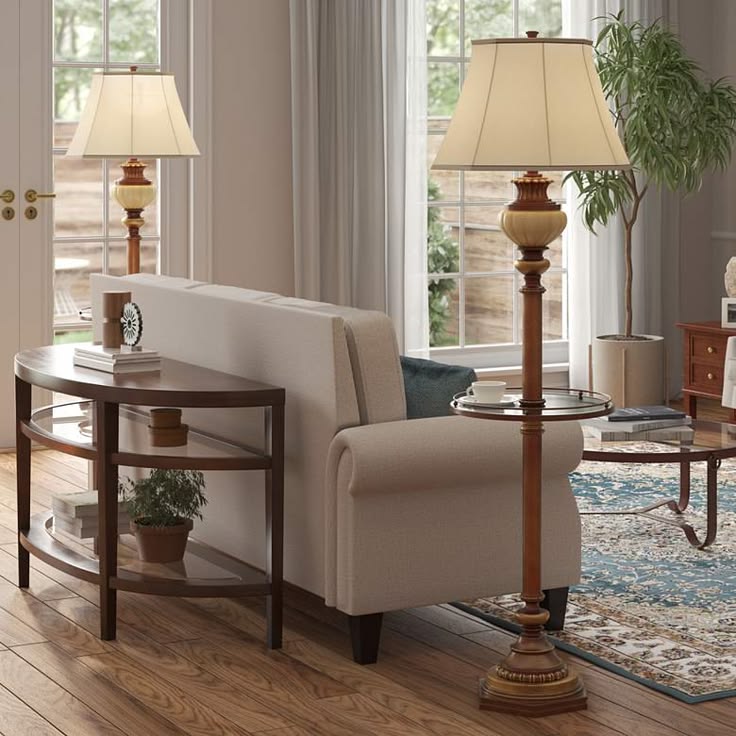
    Paint your walls a soft cream or tan, then bring in color through furniture and textiles. A practical tip: test paint samples in the exact room you’re decorating, since primitive colors can look muddy under bright lighting.

    This palette works great in farmhouse and rustic homes too, though coastal spaces usually skip it for lighter blues and sandy tones. Once your walls are set, it’s time to think about what sits on top of them.

    2. Choose Furniture With Visible Wood Grain and Simple Lines

    20 Modern Living Room Ideas For 2026 | Furniture & Choice
    Credit: Furniture & Choice

    Primitive furniture skips fancy carving and sleek finishes. Look for solid wood pieces with straight lines, peg joints, and a handmade look. Pine, oak, and reclaimed barn wood are all classic choices.

    A good starter piece is a simple wood coffee table with turned legs or a bench-style seat. Avoid anything with a glossy lacquer finish. If your furniture looks too new, a light sanding or a coat of matte wax can age it up fast.

    This furniture style also fits nicely into modern farmhouse or industrial spaces, since both value raw materials over polish. Next, let’s talk about what goes on top of that wood.

    3. Layer in Handwoven or Braided Rugs

    Top 5 Jute Rugs for Layering | Designer Buying Guide – Atlanta Designer Rugs
    credit: atlantadesignerrugs

    A braided rug on a wood floor instantly makes a room feel primitive. These rugs were originally made from scrap fabric, so look for ones with a mix of muted colors rather than a single solid tone.

    Place your rug slightly under the front legs of your sofa to anchor the seating area. Wool and cotton blends hold up better than synthetic fibers and age with a nicer patina over time.

    Braided and rag rugs also work in cottagecore and traditional country rooms. Once your floor has texture, your seating choices come next.

    4. Pick a Slipcovered or Rolled-Arm Sofa

    15 English Roll Arm Sofas That Will Instantly Elevate Your Living Room
    credit: Yahoo

    Primitive sofas tend to have simple, boxy shapes or soft rolled arms. Slipcovers in cotton or linen fit the vibe better than tight leather upholstery. Stick to solid colors or small plaid patterns.

    If you already own a modern sofa, a canvas slipcover in cream or tan can transform it without buying new furniture. That’s an easy, budget-friendly switch.

    This furniture style also blends into shabby chic and cottage interiors pretty easily. Now let’s bring in some lighting to match.

    5. Swap Modern Lamps for Candle-Style or Wrought Iron Lighting

    20 Best Living Room Lighting Ideas for 2025
    Credit: HouseBeautiful

    Primitive lighting mimics old oil lamps, candles, or wrought iron fixtures. Look for lamp bases made of tin, wood, or blackened metal instead of chrome or brass with a shiny finish.

    Battery-operated flickering candles are a smart, safe substitute if you want that old-time glow without the fire risk. Place a few on your mantel or side tables for instant mood lighting.

    This lighting style crosses over well into rustic and industrial farmhouse looks too. With lighting sorted, let’s cover your walls.

    Primitive Color Palette Guide

    Color NameBest Used ForPairs Well With
    Barn RedAccent walls, pillowsCream, dark brown
    Mustard YellowThrow blankets, curtainsForest green, tan
    Forest GreenUpholstery, rugsMustard, cream
    Warm Tan/CreamWall color, baseAll primitive accents
    Charcoal BlackMetal accents, trimBarn red, cream

    6. Hang Vintage or Reproduction Folk Art

    7 folk decor ideas to bring this enchanting design style into the home | Homes and Gardens
    Credit: Home and garden

    Primitive walls often feature simple folk art like painted birds, farm scenes, or stitched samplers. Skip anything glossy or overly detailed. Rougher brushstrokes and simple subjects fit the mood better.

    Thrift stores and flea markets are goldmines for this stuff. A practical tip: frame smaller pieces in plain wood frames instead of ornate gold ones to keep the look consistent.

    Folk art also shows up in Scandinavian and cottage styles, just with different color choices. Once your walls have character, think about textiles next.

    7. Add Quilts as Throws or Wall Hangings

    Decorating with Quilts
    Credit: allpeoplequilt

    A patchwork quilt draped over the back of a sofa or chair is one of the fastest ways to add primitive charm. Quilts also work as wall art if you hang them on a simple wood dowel.

    Look for quilts with muted, mismatched fabric squares rather than crisp, uniform patterns. Vintage quilts often have small stains or fading, and that’s totally fine here.

    This idea fits beautifully into farmhouse, boho, and even some traditional living rooms. Now let’s talk about how you arrange your furniture around all this texture.

    8. Arrange Seating Around a Wood-Burning or Faux Fireplace

    8 Designer-Approved Living Room Layouts with a Fireplace
    Credit: Decorilla

    Primitive living rooms usually center around a hearth. If you have a real fireplace, keep the mantel simple with wood beams instead of ornate stone. If you don’t have one, an electric insert with a wood-clad surround can fake the look convincingly.

    Arrange your sofa and chairs in a semi-circle facing the fireplace to create a cozy, gathering-spot feel. This layout naturally slows down conversation and makes the room feel warmer.

    Fireplace-centered layouts work in almost every style, from modern to traditional, since it’s such a classic focal point. Let’s move on to smaller decorative touches now.

    9. Use Wooden Crates and Barrels as Storage or Side Tables

    How to Make a Chic Wood Crate Table | Architectural Digest
    Credit: architecturaldigest

    Instead of sleek storage bins, primitive rooms use old wooden crates, barrels, or dough bowls for storage and display. Stack a few crates for a bookshelf, or flip one over as a side table.

    A quick tip: look for crates with stamped lettering or worn paint, since that adds authenticity without costing extra. Reclaimed wood shops often sell these cheap.

    This storage trick also works in industrial and farmhouse-style rooms. Speaking of storage, let’s talk shelving next.

    10. Install Open Wood Shelving Instead of Closed Cabinets

    Open Shelving vs Closed Cabinets: Which Works for Your Home – Maxi Home
    Credit: Maxi home

    Primitive rooms favor open shelving so you can see and use everyday items like pottery, baskets, and books. Skip glass doors or sleek hardware. Simple wood brackets and rough-cut boards work best.

    Style your shelves with a mix of heights and textures. Group items in odd numbers, like three or five, for a more natural look instead of a stiff symmetrical arrangement.

    Open shelving is a staple in coastal and Scandinavian homes too, though the styling details shift with each look. Now let’s cover window treatments.

    11. Dress Windows With Simple Cotton or Linen Curtains

    65 Window Treatment Ideas to Accentuate Your Space in 2026
    Credit: ELLE Decor

    Skip heavy drapes with tassels and fancy trim. Primitive curtains are usually plain cotton or linen panels in cream, tan, or a small check pattern. Curtain rods should be simple wood or wrought iron, not shiny brass.

    A helpful tip: hem your curtains slightly above the floor for a more casual, lived-in look rather than a formal puddle at the bottom.

    This window treatment style also suits cottage and coastal rooms nicely. Next, let’s talk about a small but powerful detail: hardware.

    12. Swap Modern Hardware for Wrought Iron or Hand-Forged Pieces

    Hand-Forged Iron Decor & Home Accents | Urban Forge
    credit: urbanforge

    Cabinet knobs, curtain rods, and even light switch covers can carry the primitive look if you swap them for wrought iron or hammered metal versions. These small details add up fast.

    Check hardware stores or online marketplaces for “hand-forged” or “colonial style” hardware, which usually costs just a few dollars more than standard pieces.

    This swap works across farmhouse, rustic, and even some traditional interiors. Now let’s think bigger picture with flooring.

    Budget Tiers for a Primitive Living Room Makeover

    Budget LevelWhat You Can AffordExample Items
    Low ($200-$500)Textiles, small decor swapsBraided rug, quilts, folk art prints
    Mid ($500-$1,500)One major furniture pieceSlipcovered sofa, wood coffee table
    High ($1,500-$4,000+)Full room overhaulNew flooring, fireplace surround, full furniture set

    13. Choose Wide-Plank Wood Flooring or Add a Faux Version

    Wide Plank Floors: A Natural Fit for Modern Interiors - William & Henry
    Credit: williamandhenry

    Real primitive homes had wide wood planks, often with visible knots and slight color variation. If you can’t replace your flooring, wide-plank vinyl or laminate options now mimic this look convincingly.

    A budget-friendly tip: use a large area rug over existing flooring if a full replacement isn’t in the cards. It still creates the visual effect from the seating area.

    Wide-plank flooring also fits modern farmhouse and traditional homes without looking out of place. Let’s move to a smaller detail that ties a room together: baskets.

    14. Use Baskets for Storage and Texture

    Books in a Basket Add Color, Texture, & Personality To Your Home - Molly in Maine
    Credit: Molly in Maine

    Woven baskets are a primitive room’s best friend. Use them to store blankets, magazines, or firewood. Group a few different sizes near your sofa or fireplace for a layered, functional look.

    Choose baskets made from natural materials like seagrass, willow, or rattan rather than plastic or synthetic weaves. A quick fix: line baskets with a plain cotton cloth if you’re storing something delicate.

    Baskets are a crossover favorite in boho, coastal, and Scandinavian rooms too. Now let’s talk about a bigger statement piece.

    15. Add a Ladder-Back or Windsor Chair for Extra Seating

    Hawthorne Rustic Ladder Back Chair | Rustic Red Door
    Credit: Rustic Red Co.

    Primitive rooms often include one or two wood chairs with spindle backs or ladder-style rungs. These chairs add height variation and extra seating without crowding the room.

    Place one near a window or beside the fireplace as a reading nook. A cushion in a muted plaid or solid tone softens the hard wood seat without ruining the look.

    Windsor and ladder-back chairs also show up often in traditional and colonial-style dining and living spaces. Next, let’s think about how to layer your walls even more.

    16. Incorporate Exposed Beams or Faux Wood Ceiling Accents

    Spectacular and Cozy Living Rooms with Ceiling Beams: 25 Trendy Ideas, Inspirations | Decoist
    Credit: Decoist

    If your ceiling is a blank slate, exposed beams add instant primitive character. Real structural beams are ideal, but faux beam kits made from lightweight foam or thin wood veneer can achieve a similar effect for less money and no structural work.

    Stain beams a dark walnut or leave them raw and weathered for contrast against lighter walls. This is one of those details that changes the whole feel of a room without touching the furniture at all.

    Exposed beams also appear often in modern farmhouse and rustic mountain-style homes. Let’s finish up with a couple of smaller, easy-to-miss touches.

    17. Display Pottery, Crocks, and Dough Bowls as Decor

    FALL ORGANIC DOUGH BOWL IDEAS - StoneGable
    Credit: Stonegable

    Old stoneware crocks, pottery jugs, and wooden dough bowls make great tabletop decor. Fill a dough bowl with pinecones or dried florals, or leave a crock empty as a sculptural piece on the floor near your fireplace.

    Look for pieces with an uneven glaze or slight imperfections, since that’s part of the primitive charm. A practical tip: thrift stores and estate sales usually have these for a fraction of antique shop prices.

    This decor idea also fits well into farmhouse and rustic coastal interiors. Last but not least, let’s talk about scent and ambiance.

    18. Use Beeswax Candles or Herb Bundles for Natural Scent

    Best scented candles for a cosy living room | Natural wax & non-toxic – Hampton & Astley
    Credit: Hampton

    Primitive homes relied on natural scents, not artificial air fresheners. Beeswax candles, dried lavender, or bundled herbs like sage give off a subtle, warm smell that fits the aesthetic perfectly.

    Hang a small herb bundle near your fireplace or on a kitchen-adjacent wall for a decorative and functional touch. It’s a small detail, but it rounds out the sensory experience of the room.

    This finishing touch works in nearly any earthy or rustic-style home, primitive or not. With all 18 ideas covered, let’s move into some quick tips to help you pull it all together.

    Tips for Success

    • Start with textiles before furniture. Rugs, quilts, and curtains are cheaper to swap and set the tone fast.
    • Mix wood tones on purpose. Primitive rooms rarely match every wood piece perfectly, and that’s part of the charm.
    • Shop secondhand first. Estate sales and flea markets almost always beat retail for authentic primitive pieces.
    • Keep patterns simple. Stick to plaids, checks, or solids instead of busy florals or geometric prints.
    • Don’t skip lighting. Warm, dim lighting sells the primitive mood more than almost anything else.
    • Add one antique piece per room. Even a single genuine old item boosts authenticity across the whole space.

    Common Mistakes and How to Avoid Them

    Using bright white paint everywhere
    : Swap it for warm cream, tan, or a muted earthy color that feels aged rather than fresh out of the can.

    Buying furniture with glossy or lacquered finishes
    : Choose matte-finished wood or add a light distressing treatment to new pieces.

    Overcrowding the room with too many small decor items
    : Group items in small clusters and leave open, breathable space on shelves and tables.

    Mixing in modern metals like chrome or polished brass
    : Stick to wrought iron, blackened metal, or tin for hardware and light fixtures.

    Forgetting texture in favor of just color
    : Layer rugs, quilts, and baskets so the room feels touchable, not just visually themed.

    Similar Variations

    • Farmhouse Primitive – Blends primitive textures with brighter whites and modern farmhouse shapes.
    • Colonial Primitive – Leans harder into early American furniture shapes and formal symmetry.
    • Rustic Cabin – Uses heavier, chunkier wood pieces and darker color palettes than standard primitive.
    • Cottagecore – Softer, more feminine take on primitive with floral prints and lighter colors.
    • Prairie Primitive – Focuses on homestead-style decor with more emphasis on textiles and handmade quilts.

    Putting together a primitive living room really comes down to picking honest materials, muted colors, and furniture that looks like it’s lived a life already. You don’t need a huge budget or a total gut renovation to get there. Small swaps in lighting, textiles, and hardware can carry most of the weight. I hope these 18 Primitive Living Room Ideas gave you a clear, doable path to a warmer, more character-filled space.